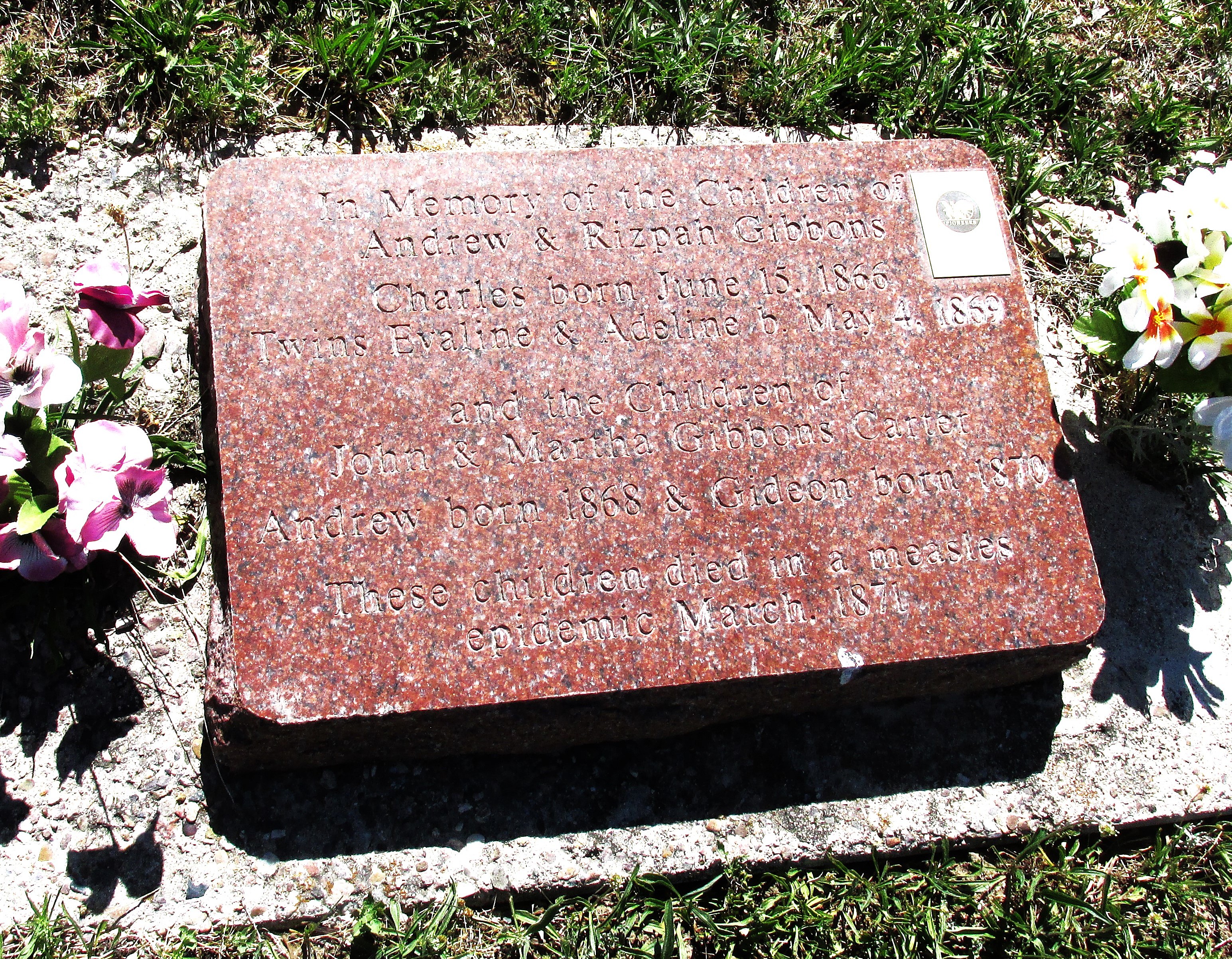
It’s time to take a brief look at news that shouldn’t be.
On Tuesday, a school-aged child was admitted to a hospital in Lubbock, Texas, and was pronounced dead Tuesday night of the measles.
He or she was the first person to die of measles in the United States since 2015. To illustrate how amazing that 10-year drought was, in 1919, measles killed 12.7 out of every 100,000 people in the U.S. The population of the country in 1920 was 106,021,537.* A little math suggests you could have expected 13,464 deaths by measles. And, we know, the disease does its worst with babies and children.
Back to 2025.
We have to suspect there will be more deaths, what with 164 cases reported nationally, centered in western Texas. To be sure, measles cases happen every year in the U.S., but the number of cases here, the rate at which they’ve appeared, and the fact a large number of people in that area have refused vaccinations for their children have set the stage for a little explosion.
When I was growing up, before the vaccinations were released through the 1960s, it seems we expected to get measles, mumps and/or rubella. I may have had them all. But there wasn’t much to do about it; a lot of people would catch a disease, and some would die from it. You remember how that was during the first years of Covid. It was highly contagious, but the death rate wasn’t astronomical, so many folks thought it wasn’t that bad and wouldn’t get the vaccinations, thereby making the epidemic worse.
We knew of vaccines when I was a boy. Already, children were immunized against smallpox, diphtheria, tetanus, pertussis and polio (a big one that became available when I was a toddler). So, most of us willingly lined up for vaccinations. It was the smart, potentially life-saving, thing to do. Not only were we protecting ourselves but also those among us who, for various reasons, could not take the shots. That’s the herd immunity we heard talked about so much during the fight against Covid.
To summarize. Immunizations are good, they have saved millions of lives. Arguments otherwise are wrong. Get over it, get the necessary vaccinations to protect not only yourself but others you’re around, and definitely get the recommended childhood inoculations for your kids. Now. The photo at the top of this article is of a grave marker I found while strolling through a cemetery in Glendale, Utah. It makes a convincing argument in its silence. It’s difficult to read in the photo, but it says:
In Memory of the Children of
Andrew & Rizpah Gibbons
Charles born June 15, 1866
Twins Evaline & Adeline b. May 4, 1869
and the Children of
John & Martha Gibbons Carter
Andrew born 1868 & Gideon born 1870
These children died in a measles
epidemic March 1871
* The 1919 measles death rate comes from ourworldindata.org, citing Public Health Reports; US Census Bureau; and Centers for Disease Control and Prevention.
 Steve Martaindale