It’s time for me to set the record straight. I’ve been dragging my feet for more than two years, but I must admit I unknowingly told you a lie.
Scroll back, if you wish, to March 18, 2023, a post I headlined as “Out cold.”
No, don’t do that, you’ll lose your place here. Just click this link and open it in another tab or window.
I wrote about the irony in the fact I had done many physical things, suffered a few injuries, etc. but the only time I had been knocked unconscious was while playing on the den floor with my 2-year-old sister.
Of course, I didn’t remember what happened, but I had carried a concept for almost 60 years, as presented in this paragraph from that article:
“The time I was knocked out, however, there was no wild activity going on. Brenda was sitting, as I picture it, and I was kneeling. We were rolling a ball back and forth. And I’m pretty sure I remember losing my balance while reaching for the ball and falling forward.”
I now know that assessment is not quite the truth. Let’s see, “no wild activity going on,” “I was kneeling,” “rolling a ball back and forth,” are total fabrications, and the comments about losing my balance, reaching for the ball and falling forward, while probably true, are gross misrepresentations.
Pardon me while I collect myself.
OK, I wrote that piece in March 2023, but it’s a story I had carried and shared for about 60 years at that point. Life goes on.
The following October, I traveled to nearby Lake Somerville and spent the day visiting with my brother, Ward, while he was camping there.
We were sitting outside on a nice autumn day, conversation ranging through the usual topics. I really cannot tell you what led to his revelation, which he just last week referred to as “the confession.” I wish I had written down exactly how he said it, but the bottom line was that the story was made up to keep the two of us out of trouble with our parents.
He spun the story to them that we were rolling a ball (he’s not sure if he included Brenda in it or not) and I, the brother who took pride in maintaining balance and being able to go to the ground and bounce up without injury, I fell forward and hit my head.
Don’t get distracted here. That’s not at all what happened. Nope, he admits now that we were playing tackle football in the house. And I will accept that charge. At fault, I’m sure. It wouldn’t have been the first nor the last time we got into trouble for roughhousing.
As I said, I would accept that. Guilty as charged. And to be fair, his ploy worked. We didn’t get into trouble, even though I think it unlikely they would severely punish a kid who just had his lights turned out.
However, instead of punishment for horseplay, probably a week without playing outside, I spent most of my life thinking I was concussed by a toddler.
And, on top of that, I lost a funny story.
If you enjoyed this post, support my work by pressing the “Like” button, tweeting, or otherwise sharing with friends.
I resolve to walk through the park as often as possible. Photo by Steve Martaindale
There’s a new Apple TV series we came across a few weeks ago called Pluribus. Very briefly, something (presumably from an extraterrestrial source) has caused all but a handful of Earth’s human population to be calmly happy. They all share their knowledge and experiences with everyone else. We don’t know yet what happened and certainly not what any plans may be, but it is an intriguing tale, definitely not a cookie-cutter show.
The story is built around a woman in Albuquerque who is one of about a dozen people worldwide who did not “join” everyone else and she’s trying to figure out what’s going on and how she can reverse things.
For our purposes here, all of this to get to one point: She has learned the “others” cannot lie to her and she’s trying to use that to her advantage.
Imagine what things would be like if nobody lied to others or themselves while drafting resolutions for the new year.
Several readers pitched in to help draw up a list of resolutions that might not ever see the light of day if people were brutally honest:
I resolve to not make my siblings cry.
I resolve to start cooking more and eating out less.
I resolve to stay away from sugar.
I resolve to treat clerks, cashiers, sackers, janitors, etc. with the respect and dignity they deserve.
I resolve to stop worrying about things I can’t control.
I resolve to spend less time at home on the computer and more time with my family.
I resolve not to yell, provoke, cuss or gesture towards irresponsible drivers who tick me off.
I resolve to totally quit texting and driving.
I resolve to quit smoking.
I resolve to finally get that extra closet cleaned out and organized.
I resolve to keep leaves out of the gutters next fall.
I resolve to not pass up an opportunity to help a friend in need.
I resolve to write in my journal every day.
I resolve to keep my house clean.
I resolve to stay away from heroin and cocaine.
I resolve to cut back on coffee.
I resolve to stop snacking while watching movies.
I resolve to not buy any new fabric or yarn until I finish the project I’m working on.
Good luck to those of you trying to improve yourself in the new year and thanks to contributions from Dan, Hayder, JD, Cyndy, Leah, Connie and Judy.
One more thing
Speaking of lies … everyone knows Donald Trump lies all the time. All. Of. The. Time. The Washington Post kept count during his first administration and tallied more than 30,000 false or misleading claims in those four years.
I’m sure there are fact-checkers diligently keeping count again, but Daniel Dale, a senior reporter for CNN, has taken a different approach. Perhaps you can say he’s been measuring instead of counting. He has compiled what he judged “Trump’s top 25 lies of 2025.”
From falling prices that were instead rising, to cities rotting from crime when they were really relatively safe, to claiming the people of Canada liked his idea of it becoming our 51st state when Canadians are against him more than even Americans are.
But I’m not going through the blow-by-blow … that’s why CNN put the story online for you to read.
Happy New Year!
If you enjoyed this post, support my work by pressing the “Like” button, tweeting, or otherwise sharing with friends.
It’s about time we crowdsourced another column and I need your input. Such mass collaborations are always entertaining and naturally lead to a variety of ideas.
Here’s the topic: New Year’s resolutions made by liars. If that sounds too cruel to you, consider it as New Year’s resolutions that are usually doomed to failure.
You may tack on your contribution as a comment. Be aware I will not post it as a comment but will copy it onto my document. If you would rather, send it by email to penmanmail-steve@yahoo.com or by Facebook messenger.
I will also list the first names of everyone who sends in a suggestion.
I intend to publish the results some time Thursday, New Year’s Day.
Allow me to illustrate with a take on the most popular New Year’s lie: “I resolve to lose 15 pounds before the summer swimsuit season.”
Your turn. I’m waiting.
If you enjoyed this post, support my work by pressing the “Like” button, tweeting, or otherwise sharing with friends.
A young Alva Martaindale on his beloved horse, Flash. (Family photo, originally black and white)
A few scattered memories leading to a point.
(1) My dad was a horse trader to the core. When he bought a convenience store, he used it as a place to show off some of the junk he turned into … well … art. He specialized in old farm implements like a singletree used by a horse to pull a load, or a turning plow that could be pulled by the horse.
Customers would ask if a particular item was for sale and Daddy would reply, “Everything but my wife and kids is for sale.” Now, if that doesn’t make you feel wanted, nothing will.
(2) Our mother would never spank my brother and me, leaving it up to our dad when he got home. He had a rule that if one of us earned a spanking, we both did. He explained that even if one was not involved in the offense, he should at least keep his brother from getting into trouble.
I was about 6 years old and we were waiting for him to get home from work to administer justice. I do not remember what got us into trouble, but I do recall thinking at the time it was pretty petty.
When the time came, I assumed the first position because I was the eldest. That was the procedure. When Daddy laid the belt to me, it was a mild slap, and I knew immediately that he agreed the punishment was not really deserved. I stepped aside and my brother, 15 months my junior, took his licks, then straightened up and said, “That didn’t hurt.”
I probably slapped my forehead; I knew that was a stupid thing to say.
“Well,” the executioner said, “it’s supposed to hurt. Guess I’ll have to try again.” You know how it finished.
(3) The final few years my dad worked at the fire department, the three of us attended most of the Pine Tree High School home football games. We never sat in the bleachers but always stood along the end zone chain link fence. Don’t ask me why.
One highlight for Ward and me was going to the concession stand to buy Daddy a coffee and each of us a cup of hot chocolate. The challenge was navigating back to the fence without spilling too much of the drinks. Without a memory like that, I’d probably assume I always had great balance.
During one game, we were all three standing along the fence. Ward and I were about third- and fourth-graders. He probably was jumping around or something and this older boy tripped over Ward’s foot and immediately took umbrage. There were three boys, as I recall, probably junior high age, and the boy who fell started fussing at my brother, apparently trying to start a fight with this much smaller boy. Ward said it was an accident and probably apologized, but the outrage continued. I stepped in at that time with the classic street gang line, “He said it was an accident!” Yeah, that really showed them. Regardless, they moved on and nothing happened.
The entire time, our dad stayed on the fence and silently watched without a movement or a word. Later, he told me he was proud how I stuck up for my brother. Seriously, when you grow up together, it’s just what you naturally do. However, his words meant a lot to me.
(4) For a guy who didn’t finish high school because he “knew I would farm the rest of my life,” he sure knew a lot about people. I’ve heard him talk someone off a metaphorical ledge, just flooding them with common sense.
But most often, he was trying to make people laugh. He always had a corny joke or some off-the-cuff remark to lighten any situation.
Many years back, I was fairly new in a job that involved managing a dozen people with a wide range of job descriptions. One of them told me about a party many of them had attended and they talked about me, she said. “We decided none of us had ever seen you mad. Then we decided we didn’t really want to see you mad.”
That was my father. Not that he was fearful, but someone who always had a smile was one you shouldn’t want to be mad.
Century
Alva Martaindale, who died 12 ½ years ago, would have turned 100 on this date.
His mother lived to be 97 and he popped off in his later years that he intended to live to an older age than she did, at times even mentioning 100 years. His will to do so wore out after my mother died just two days after his 81st birthday. His final few years were tedious for him; he saw no point in going on alone. Those who loved him and saw him struggle with pain and sorrow, still working to keep up a cheerful persona, recognized that he had earned the reward of peace.
At his explicit demands, his funeral was graveside only and he imposed a strict rule there would be no tears. My eyes are watering now while typing this, but they stayed dry during the service. He ordered it and I did not want to disappoint him.
If you enjoyed this post, support my work by pressing the “Like” button, tweeting, or otherwise sharing with friends.
Hidden among the trees is Waldo, an elderly bison who liked to hang out around our dorm when we worked in Yellowstone National Park in 2013. We called him Waldo because you walked outside and first thing you’d do was ask, “Where’s Waldo” to make sure you didn’t get in his way. I’m pretty sure he did not care what we called him as long as we did not disturb his nap. (Photo by Steve Martaindale)
We’ve been talking about names, how it can be important to get one’s name correct (a vital rule for journalists, by the way) and how it can be permissible, maybe fun, maybe even a compliment to not use the correct name.
Take for instance nicknames. A well-chosen nickname can be a lifelong note of admiration or respect.
But I’ve taken note the past few decades of one particular headache.
My name is Steve. That’s all I’ve ever gone by. But … my name is actually Stephen.
I vaguely remember asking when I was young why they chose the name Stephen. It wasn’t a family name or a friend’s name. I believe my mother said they simply liked it. That was a good enough answer for me then and remains so today. I’ve always liked my middle name because it belonged to my father and to his father.
The problem has grown out of the advent of computers, it seems. One place knows me as Steve and another as Stephen. For the most part, official entries – driver’s license, voter registration, deeds and titles – are listed under Stephen. All of my writing has been done under Steve, as well as my social media. Some businesses meet me in the middle. The hospital and its associated labs and doctors all have formally listed me as Stephen but have Steve entered as my preferred name.
It comes to a head when a computer says it does not have a Steve Martaindale in the system because it doesn’t recognize me as Stephen. That could happen in the paper and file folder days, but at least then you had a human brain involved in the search.
To be honest, though, they are getting better. Surely, AI will continue to improve that aspect.
But I still think at times that I wish my parents had chosen one name and stuck with it. If allowed to choose, I would go with Steve because it’s less formal, like me, and there’s really only one way to spell it, unlike Steven / Stephen. However, had they consistently called me Stephen and that’s what my first-grade teacher called me, I’d be totally happy with it.
When our grandson was born, they named him Charles. My daughter made it clear that would be his name, “Not Charlie and certainly not Chuck,” she said. Of course, she knew she would have no control over what his classmates called him. It seems Charles has stuck all the way into college.
Let’s hear from you, especially if you go by a name that’s not your official name – Mel instead of Melanie, Don instead of Donald, etc. Have you ever wished you had a name that covered everything? Do you really enjoy separating your life by which name you use for what category? I’m I just crazy even dwelling on it?
Here’s another question: Are you happy with the name or names you were given or would you totally like a do-over and pick out a new name?
One more thing
I was looking for something online and was distracted (surprise!) by a YouTube video that sounded promising. I clicked and the page came up, but the video would not load and run. There were others promoted on the page; I clicked and got the same result.
Not finding anything that fixed it, I googled about not being able to get YouTube videos to run.
The AI-generated answer came back, featuring four links that might help. All four connected to YouTube videos.
So, while I’m still holding out hope for AI, not all the bugs have been worked out yet.
PS – I solved the problem myself.
If you enjoyed this post, support my work by pressing the “Like” button, tweeting, or otherwise sharing with friends.
There’s a line I’ve heard many times and just found it credited to Robert De Niro: “I always say people can call me anything they want as long as they don’t call me late for supper.” I do think that statement preceded him.
There was another celebrity who had particular wishes for using his name. Remember Bill Saluga? No? Well, you’ll remember him as Raymond J. Johnson Jr. If that doesn’t ring a bell, click here for a 35-second YouTube clip from the Redd Foxx show.
And we mustn’t forget the bouncy, fun song The Name Game, sung by Shirley Ellis, who co-wrote with Lincoln Chase (yes, you remember correctly, the first two names used in the song were Shirley and Lincoln) a children’s song that reached No. 3 on the Billboard Hot 100 in early 1965 and No. 4 on the R&B charts.
When my dad owned the grocery store in Greggton (an area of Longview, Texas), a couple came by regularly to service and supply the machine that tested vacuum tubes. They would walk into the store and the man would call out something like, “How you doing, Dave?”
My dad’s name was Alva, though many people pronounced it Alvie. I asked him once why he never corrected the fellow. He just didn’t think it was that big of a deal. To be honest, knowing my father’s humor, he probably just thought it was funny and wanted to see how long it played out.
Also, he could dish it out as well as take it.
We had daily bread delivery from Mrs. Baird’s, Wonder, Sunbeam and Hostess. I loved working in the morning and interacting with these delivery guys and the others we saw regularly. My dad seemed to be particularly fond of a young driver, I believe with Mrs. Baird’s. Dad was always giving him a hard time (in a good way, if you’re not familiar with the concept) and consistently called him Charlie Brown. I’m 98 percent certain that was not his real name, but he answered to it in our store.
I’ve all my life had poor enunciation skills and that has contributed to me sometimes being called Dave (like my dad mistakenly was, funny enough) when I first met people. I figured it out early in my adult years that when I identified myself as “Steve,” they understood “Dave.” Being aware of it and making a point to speak a little slower and more distinctly decreased the frequency of that mistake.
But one I have absolutely no way to explain occurred at an extremely unfortunate time.
I was one of several guys from White Oak (Texas) in the spring of 1973 who competed in a broad range of events in the Sixth Annual Explorer Olympics at Fort Hood. We had guys competing in pole vault, high jump, wrestling, mile run, weightlifting and gymnastics. I chose the decathlon.
I often talk about participating in sports and I usually make it a point to clarify that, as an individual, I was never that outstanding. I did make small contributions to teams I was on and treasured the opportunity to do so.
This decathlon competition, though, was my singular personal athletic achievement. Unlike the decathlon in the Olympic Games, this 10-event competition was held entirely on one day.
I would love to go through all the events with you. Fifty-two years later, I still enjoy remembering it. To cut to the chase, I did manage to win the gold medal. (OK, it wasn’t really gold, but it kind of looked like it.)
Medal presentations occurred the next morning. Upon arrival, we were lined up and leading the parade of champions were the decathlon medalists. My head surely swelled a bit. As we marched around the track, a band in the stands played “Bugler’s Dream (Olympic Fanfare)” by Leo Arnaud. I soaked it in.
When we reached the podium, I ascended to the top step with the runners-up on either side. The base commander, as I understood him to be, presented our medals, placing them over our heads when we bent over.
In the excitement, I managed to hear the PA system: “Decathlon, first place, Mike Martaindale.”
I’m sorry … what? Who?
Yeah, names are important.
Tomorrow, we’re going to talk a little more about names, particularly about a specific problem some of our names have.
One more thing
Names are applied to more than people. Consider college football conferences.
Their names don’t usually mean much specifically, but there is one thing that stands out. Three of them have a number in their name, originally meant to reflect the number of schools in the conference.
Of course, that’s all gone away now with the movements and additions and consolidations of power. However, I do get a kick out of them.
The Big Ten consists of 18 teams instead of 10.
The Big 12 has 16 teams instead of 12.
And the Pac-12 has two teams instead of 12. However, there are special circumstances as they lost most of their teams to realignment but will be adding teams back for next year. As it stands, they will then be up to … drum roll, please … nine teams instead of 12.
If you enjoyed this post, support my work by pressing the “Like” button, tweeting, or otherwise sharing with friends.
Our front door currently sums up our fall rather well. Our RV life has been relegated to the entry to our new home. After celebrating and enjoying our wandering times, we’re looking forward now to new adventures, new places, new friends. (Photo by Steve Martaindale)
Leah and I have ended our RV run.
There. I just came out and said it. No drama, no guessing games, which is also pretty much the way we made the change.
We’ve been living in an RV for more than 13 years, in three different trailers. We wintered in five different places in Texas. Our summers included one year at Yellowstone National Park, four years at Mount Rushmore National Memorial, seven years at the Six Flags theme park near Buffalo, NY, and the summer of 2024 we took off work and toured the West. Returning to Texas one fall, we took a route to enable us to visit our 50th state (Wisconsin). We actually camped in 31 different states.
Our lifestyle also freed us for more exotic travel. During those 13 years, we took five cruises, including two transatlantic. We visited South Africa, the Amazon River, Thailand, Spain and Mexico with numerous stops along the way. I was able to visit my seventh continent and Leah her sixth. Of course, we’ve also made numerous friends, some now numbered among our closest.
So, we count our RV experience as a rousing success. But, if it was so great, why did we leave it?
We long ago realized that the run would sooner or later come to an end. The past few years, in fact, we acknowledged that debilitating issues with either our pickup truck or our RV would mean the end of our nomadic life. We’ve been in great health, but we both have background issues that could arise again.
Therefore, we’ve often talked the past few years about what we would do when we could no longer pull a trailer, and the best answer for us, our financial situation and plans for the future was apartment life.
But, what happened to bring us to the point of enacting Project Apartment Life? Did the truck blow up? Did we roll the trailer on a sharp curve? Did a doctor order one of us to bed?
No, nothing dramatic. As it happened, it was more like a death by a thousand cuts. Gradually, there were more and more problems, small and not-so-small, with the RV. To be fair, such things are going to happen when you periodically bounce your home down our deteriorating highway system at 60 mph, but the glitches were piling up on our psyche. It all came down on us, rather literally, when the awning collapsed while we were unloading groceries.
We secured the awning until I could figure out what to do with it and we ended the day discussing our situation. We were both thinking it, but Leah said it first, “Maybe it’s time to move on to our next adventure.” She thought I would object, but I immediately agreed. The next morning, my 71st birthday, we put our plan in motion.
That was a Thursday. We already knew of a 55-plus apartment in the Bryan / College Station area where we wanted to live. We toured the place, found an apartment that seemed perfect, and filled out an application on the spot. On Monday, we finalized the paperwork, arranged for the city to switch the electricity to us, bought a few pieces of furniture and started moving in. Wednesday, one week after the awning collapse, we slept in our new home. We spent two weeks (interrupted by four days of jury duty) moving everything from the trailer and taking care of cleaning and repairing little things and selling it. We slowed our pace a little, using about three weeks to move everything out of a storage building we’ve maintained more than a decade.
And, just like that, we’ve completely vacated our RV lifestyle. Well, there’s still the pickup to find a new home. If you’re interested in a Chevy Silverado 2500 work truck – Duramax diesel, long bed, Allison transmission, 132K miles, white, no engine issues, useless radio, and you can deal with some scrapes and a dent or two – well, don’t be a stranger.
P.S.
I must add that, eight weeks into our new life, we are totally enjoying it.
One more thing
Are you worried just a little bit about being too obsessed with something like hoarding old margarine tubs because you might need them all one day?
Well, this should help you feel better about yourself.
The Associated Press is reporting about a man in California who has ridden a particular Disneyland ride 15,000 times. Fifteen thousand. That’s once a day, every day, for 41 years and 25 days.
But he’s done it in about 13 years. That’s more than 22 times a week, every week.
I find this amazing … even if it’s maybe a little concerning.
(Go ahead, take a deep dive into the memories resurrected by hearing that question again. Tell us about them in a comment.)
In my earliest recollections, my father was a firefighter, a popular career choice for young boys, but I don’t remember considering following in his boot steps. What I do remember occurred Tuesday, Feb. 20, 1962.
At 8:47 a.m. in the first-grade classroom of Mrs. Aryless Follis, a hushed group of 6- and 7-year-olds listened to a radio report broadcast over the PA system from the principal’s office. At that time, astronaut John Glenn rode his Mercury spaceship Friendship 7 into space. His almost five-hour ride circled Earth three times, the first American to do so.
Even more exciting was the splashdown at 1:43 p.m. our time. By then, I believe, I had decided to become an astronaut.
Of course, we all know how well such plans of a first-grader play out.
Little League probably gave me thoughts of playing professional baseball, but my limited success on the field appropriately rained on that vision. I had a comfortable relationship with math and did reasonably well in the sciences, so something in those areas seemed likely. Exactly what, I never had any idea.
My mother pitched civil engineering to me, but it failed to build any interest. My father took me on a day trip to the Red River valley, where he grew up, to meet a botanist friend – or friend of a friend – who visited with us and showed me some research that involved grafting trees.
And, undoubtedly, there were many other short-lived prospects I no longer recall.
Have you noticed what’s missing here?
Yes, writing. I never, ever, had any thought about making a career as a journalist, as a writer or editor.
Never.
And that’s in spite of the fact I worked two years on my high school newspaper. Still, not even an inquiring thought about working as a writer.
I started college as a math major. About two weeks into the semester, I pretty much tripped over a Friday night job and came to my senses the next morning with a new career field, beginning as a sportswriter for a daily newspaper.
And THAT, my friends is the point to these 861 words: I don’t know what’s happening next, but I keep looking.
Even on this blog, I’ve recently struggled to find a purpose or, more exactly, a method to fulfill a purpose. I’ve been fighting that internal battle the past few years. Then, not unlike tripping into my first news job, I came across a letter from 1998 that lit up my path with a million candlepower spotlight.
Jack Maguire was a noted Texas historian and author who also served 20 years as executive director of The University of Texas Ex-Students’ Association, and nine years as executive director of the University’s Institute of Texas Cultures in San Antonio. He also wrote or co-authored nine books, more the 750 magazine articles, and more the 4,000 columns.
My newspaper was one of his subscribers and, though I never met him, we communicated by letters and telephone enough that I was comfortable reaching out to him for advice during the early years of my newspaper column.
It was his response that I came across the other day:
“I agree with your goals for ‘A Texas Voice.’ You want to make readers think and remember. Certainly, you accomplish that. I particularly enjoyed your column on having cardboard boxes as a kid. And the one on dentistry. Both brought back vivid memories.
“The personal essay has become a highly marketable piece of writing today. … Those who can write such pieces have it made – and you certainly can. So why don’t you focus on this area? Let every column be a ‘slice of life’ (either past or present) … Whether it was only yesterday or many yesterdays ago, your aim is to inveigle the reader by talking about a common event that will make him say: ‘You made me think’ or ‘remember’ or both.”
Thank you, dear reader, for your indulgence in allowing me to share these flattering words that mean a lot to me. If you’ve not figured it out yet (or, perfectly understandable, you don’t completely trust what you think I’m about to say), I am refocusing here on dancing with the one who brung me, with a tip of the hat to Darrell Royal.
Tomorrow’s post will update y’all with some significant changes in our lives. Hope you can sleep well tonight worrying about what it might be.
One caveat
OK, many of you are thinking, “Does this mean an end to your political postings?”
Yes … and no.
My intent is to not focus on politics, to not make it the lead topic of the post. I’ve grudgingly come to the awareness that anyone who still believes in and supports Donald Trump is blinded beyond my ability to help them understand. However, I may close out my columns with a short entry like this one, using it to relate something I feel worth sharing, political or otherwise.
If you enjoyed this post, support my work by pressing the “Like” button, tweeting, or otherwise sharing with friends.
People sometimes go to great extremes to get a Wi-Fi connection. Here, though, hikers are climbing to the top of Inferno Cone in Craters Of The Moon National Monument & Preserve in Idaho. (Photo by Steve Martaindale)
OK, here’s another list I’ve been compiling for more than a year. Don’t worry, I’ll get back to reality soon … maybe even today … so stay tuned.
Speaking of tuning (yeah, yeah, yeah, it’s a stretch), most all of us now are familiar with tuning in to a Wi-Fi host when we’re away from home. Hotels, restaurants, public parks, even doctor’s offices may offer a hotspot one can use to access the virtual world.
Next came the ability for us common folk to carry a hotspot with us when we travel, even one that’s part of our smartphones. And soon there arrived the awesome option of naming your hotspot.
Living in an RV as we do, there are new opportunities every time we move – indeed, even when we stay put and other campers move in. Watching for the cleverest Wi-Fi names, I started making a list maybe two years ago.
Pennygetyourownwifi – Anyone who kept up with the sitcom “The Big Bang Theory” will recognize this as one of the names Sheldon used in a fruitless campaign to persuade neighbor Penny to not use his Wi-Fi. This was in “The Roommate Transmogrification,” the 24th episode and final episode of the fourth season It first aired on Thursday, May 19, 2011.
MeeWeeFee – Obviously a play on the MyWiFi Networks used by thousands of businesses.
Bill Wi the Science Fi – If you don’t catch the reference to Bill Nye the Science Guy, then you might have grown up in a Trump household.
mysterymachine0228 – The Mystery Machine is the nickname for the iconic, brightly colored van that gets the Scooby-Doo gang from one point to another. As for 0228 … do you have any ideas?
Lemonjello – My first thought was a simple tribute to a snack. Maybe, but there was also an urban myth making the rounds about twins named Lemonjello and Orangejello. Or, digging deeper, there was a pop musician whose birth name was Peter Limengello, which he changed to Peter Lemongello. Do you know of his work?
VENTIBITCH – This is a good time to note I’ve endeavored to retain spaces and capital and lower-case letters the same as I found them. I’ll step out on a limb here and guess the owner of this Wi-Fi really loves coffee.
Rosebud – I choose to believe this is a tribute to “Citizen Kane.”
ShakwantesRoom – I only turned up references to Shakwante as a first name. Maybe it will be the name of a distant planet someday in the future.
I.Vera – This sounds like a book title … or a movie starring Will Smith.
Sangedakru – I see this listed as the name of a clan and/or an area from the TV series “The 100.” I know nothing of the series; you’re going to have to help me out here.
Slowding *and* Still Slowding – These two had me baffled, but doing my research for this (Hey, you didn’t think I was making up ALL of this, did you?) I found an Urban Dictionary definition which included, “Slow loading internet access on a computer. Combination of slow and loading.” When you put it that way, well, duh.
Iron Church – Well, there’s St. Stephen Church, also known as the Bulgarian Iron Church, in Istanbul, Turkey. There are also some tin churches. And it’s the name of a gym. I can’t help but feel there’s something else.
PineappleExpress – Like me, you may have initially thought of the 2008 movie by the same name. However, I haven’t seen it and just now learned Pineapple Express is also a hybrid marijuana strain.
Travel related / RV life
OwlsOnTheRoad
Heidis.Home
MansiononWheels
OURHOME
Road Scholars
-3bakergirlsgo-
Our House
Moms_House
The Bus
Boo_Travel
DeathWork_RV
Ontheroadagain
Peeples.and.Places
Aloha – RV
Mels RV
CateOnTheRoad
ParkersOnTour
RoadTrippin22
Tiny Home
RoaminGnomStar
MFamilyAdventure
Trailer Trash
CampingGypsies
Levi’s Adventure *and* Levi’s mini Adventure – Both found at the same time in the same RV park.
Et cetera
FBISurveillanceVan
Surveillance Unit
Spyware
Justme
Dark Hour
Accessories
Witt’s End
The Animal Lab
MrMague21
Bluebird
CodysCrib
WildDouglas
Peace, Love, and Pegasus
Kaboodle
My Stuff
Mothership
BunBun
BatCave
Bat Cave
TheBatcave
DragonDen
OffbeatTexan
satman
STINKY
Hi
R2D2
Catdog
BrookTrout
My wifi
notyourwifi
nighthawk
GGs
DragonflyTM
Fireside
love is the answer
FAboss
Recon_Res
bachelor pad
TreNighthawk
ThatGuy
rookies
The_Rebellion
2golden
Luvbug
ChanceTheRouter
Bettywhite – Because … why not?
If you enjoyed this post, support my work by pressing the “Like” button, tweeting, or otherwise sharing with friends.
This native of the U.S. Virgin Islands doesn’t mind showing his age. Photo by Steve Martaindale
During a time of casual introspection, I discover myself at that delightful age where … well, let’s just look at some of the things I feel make life for this 70-year-old even more of a blessing.
To begin with, I would like to give a nod to Jenny Joseph, who in 1961 at the young age of 30 penned what I’ve seen referenced as Britain’s favorite poem, “Warning.” If the title doesn’t ring a bell, the first line will: “When I am an old woman I shall wear purple.”
In addition to wearing purple clothes and a red hat “which doesn’t go,” she longs for a future when she’s free to sit on the pavement when tired and generally make up for the sobriety of her youth. I discovered “Warning” when I was much younger than 30 but instantly recognized the idea of achieving an age at which one refuses to honor restrictions imposed by others.
Take that bit about sitting on the pavement when tired.
On a recent weekend, we were on the San Antonio River Walk and I was free for a few hours while Leah and Erin attended a bridal party. I had covered most of the river walk, it was a bit warm for the season and the sun was bright, and I was dealing with a bit of a back issue. There are not many places to sit that are not related to a restaurant, so I found a low retaining wall and plopped down. I really hate to get in the way of people, but I did what I could to minimize the inconvenience and decided they’d just have to step around the old man sitting on the pavement.
Now, let’s just tick off some other benefits of reaching “that age.” This is in no way comprehensive and I expect y’all to comment with other advantages.
Having enough real-world experience that it no longer matters what others think and therefore feeling free to say what one really feels. Out loud.
Brief and pleasant encounters with other people’s cute kids and/or pets.
Dressing as one wishes, whether it’s wearing purple and red or Bermuda shorts with Santa socks.
The same thing applies to hairstyles, too, by the way.
Ignoring phone calls.
Allowing a younger person to hold the door.
Friendships with people who will always be honest with you.
Having “been there and done that” enough for the wisdom to save a lot of headaches and heartaches. Those experiences also make older people more empathetic, though old grouches still get a lot of attention.
Being more aware of one’s “finish line” makes it easier to move past the piffle and do what one wants or needs.
Traveling whenever is best, not having to oblige any school or work schedule. Going to the movie theater at 11 a.m.
The joy of saying something in public that causes the young adults to do a double take.
Having stories to fit just about any situation. Ditto for sage advice. OK, this right I’ve been claiming for decades.
If you enjoyed this post, support my work by pressing the “Like” button, tweeting, or otherwise sharing with friends.
It’s time to take a brief look at news that shouldn’t be.
On Tuesday, a school-aged child was admitted to a hospital in Lubbock, Texas, and was pronounced dead Tuesday night of the measles.
He or she was the first person to die of measles in the United States since 2015. To illustrate how amazing that 10-year drought was, in 1919, measles killed 12.7 out of every 100,000 people in the U.S. The population of the country in 1920 was 106,021,537.* A little math suggests you could have expected 13,464 deaths by measles. And, we know, the disease does its worst with babies and children.
Back to 2025.
We have to suspect there will be more deaths, what with 164 cases reported nationally, centered in western Texas. To be sure, measles cases happen every year in the U.S., but the number of cases here, the rate at which they’ve appeared, and the fact a large number of people in that area have refused vaccinations for their children have set the stage for a little explosion.
When I was growing up, before the vaccinations were released through the 1960s, it seems we expected to get measles, mumps and/or rubella. I may have had them all. But there wasn’t much to do about it; a lot of people would catch a disease, and some would die from it. You remember how that was during the first years of Covid. It was highly contagious, but the death rate wasn’t astronomical, so many folks thought it wasn’t that bad and wouldn’t get the vaccinations, thereby making the epidemic worse.
We knew of vaccines when I was a boy. Already, children were immunized against smallpox, diphtheria, tetanus, pertussis and polio (a big one that became available when I was a toddler). So, most of us willingly lined up for vaccinations. It was the smart, potentially life-saving, thing to do. Not only were we protecting ourselves but also those among us who, for various reasons, could not take the shots. That’s the herd immunity we heard talked about so much during the fight against Covid.
To summarize. Immunizations are good, they have saved millions of lives. Arguments otherwise are wrong. Get over it, get the necessary vaccinations to protect not only yourself but others you’re around, and definitely get the recommended childhood inoculations for your kids. Now. The photo at the top of this article is of a grave marker I found while strolling through a cemetery in Glendale, Utah. It makes a convincing argument in its silence. It’s difficult to read in the photo, but it says:
In Memory of the Children of Andrew & Rizpah Gibbons Charles born June 15, 1866 Twins Evaline & Adeline b. May 4, 1869
and the Children of John & Martha Gibbons Carter Andrew born 1868 & Gideon born 1870
These children died in a measles epidemic March 1871
* The 1919 measles death rate comes from ourworldindata.org, citing Public Health Reports; US Census Bureau; and Centers for Disease Control and Prevention.
If you enjoyed this post, support my work by pressing the “Like” button, tweeting, or otherwise sharing with friends.
I’ve long gotten a kick out of interesting signs, be they cute and funny or ridiculous. Last summer, when we were traveling through much of the western USA in our RV, I made more of an effort to capture such signs. Finally, after also poring over many of my older photos, I’ve put together some. This is Round 1.
Beginning with the first photo, top left corner, you’ll see that the second sign indicates (squint!), westbound on Utah State Highway 143, which is just south of Panquitch. You’ve probably made a fair approximation of the situation here. Behind us, U.S. 89 had shot straight through most of the town but then took a left turn at what is in these parts a busy intersection. Understandably, a lot of drivers must have missed that turn and soon found themselves on a lonely road toward the middle of nowhere. Hence the sign. All photos by Steve Martaindale
The photo to the right is pretty self-explanatory. It came from an RV park on Lake Eufaula near Checotah, Okla.
The third photo, running across the page, tells a story without telling the story. Visiting friends in Angel Fire, N.M., I accompanied him to the church he pastors when he was running errands on a weekday. I snapped the photo at the back of the nave, in an area designed for someone to control sound, lights, etc. “Do not turn anything on unless you know what you are doing!” sends a pretty clear message that someone in the past has done just that.
“There’s a reason they call it the Badlands,” is my caption for the photo of the bird sitting on the sign. From that perch, it should be able to see a rattlesnake coming.
Speaking of warnings, the next sign tells you, “Head this way in case of a tsunami.” This was on the outskirts of Ao Nang, Thailand, and it along with other Indian Ocean nations take the warning seriously. The Dec. 26, 2004, Sumatra–Andaman earthquake triggered a tsunami with waves up to 100 feet high, killing an estimated 227,898 people in 14 countries. Approximately 8,000 people died In Thailand.
Lightening the mood a bit is advice I’ve heard from a number of friends through the years. Yeah, you know I’m talking about you.
The bottom left photo is from a non-commercial tourist site known as Sand Caves, located a short distance north of Kanab, Utah. There is a short trail from parking to the caves (which require a challenging climb to reach). You’ll notice on the left side of the photo a traditional trail marker, modified with succinct advice on whether one should follow the offshoot trail.
In Belle Fourche, S.D., there’s the Geographic Center of the Nation Monument. We’ve never been there, but we did travel several miles down a rough dirt road, held up for a while by a small cattle drive, to see the true center of the nation. The cairn you see in the bottom right photo still is not quite the center. Squint inside the yellow circle and you should make out a white spot, which is the U.S. flag flying over the exact geographic center of the 50 states. Now you know.
There are more in my signs collection and I’m certain to do this again. And it doesn’t have to be just me. If you’re willing to share your own cute/clever/flabbergasting sign photo, I’d love to have it. If you don’t have my email or Facebook, leave me a comment (link at the very bottom of this article) and I’ll send you one. I do ask that you send me only a photo that you took and not something neat you found online. I will also give you credit when I share it.
Now, y’all be careful driving out there; don’t get too distracted looking for cool signs.
If you enjoyed this post, support my work by pressing the “Like” button, tweeting, or otherwise sharing with friends.
I’ve never owned a personalized license plate for a vehicle, which is a good thing because I’m simply not clever enough. But I do enjoy those cute and entertaining tags rolling through town.
My all-time favorite happened several years ago when I was delivering flowers. I found the house and made a U-turn to park behind a car parked on the curb, noticing the license plate that read “NVRMOR.” I glanced at my delivery order and the recipient’s first name was Raven. If you didn’t catch that, brush up on Edgar Allan Poe’s most famous poem.
Following is my list, in the order they are for no particular reason. For some, I’ve added context or what I think they mean. Some are obvious, but others…
Comment with your favorites and to correct my guesses.
ILUVSMR – I love summer
DESRTGAL – Desert Gal
PHRYRWOW – ???
FAAAAST – on a Shelby Cobra
VAN GO—on a van
RODENT2
FRKY AL – Freaky Al?
SILENT — on an electric car
YOGA4U
RWABOSS – I don’t know what RWA is, but he’s the boss
RAMBO 1
LUCIPUR — devil cat?
EXT TROT
LDYHWKE
BNYCE
U DO YU
PNK FLYD
BRUHHH
SEXORGN
VETTECH
2GO BOX
HUG A DG – plate had a dog pictured on it
2LABCAB
TRMOIL
V8 CHEVY
VAGABON – on an RV trailer
PAPRIKA
CPT HOOK
UB1RD – on a motorcycle, Harley
2SILLY
MY TYPE
IM SAS E
3 POINT 0
PCNJO2U – peace and joy to you ???
MZWRD
V3NTUR
BYE2GAS – on an electric car
I ECHO – maybe this BMW owner is a successful social media influencer?
CHICUBZ
IMH4PPY
FIVE BY
CHAOSS
DO GOOD
CHXKN — ???
SXY CTSV — on a black Cadillac CTS-V
MAD HTTR
BLTZKRG on a Porsche 911 turbo
JOB24 7 – pickup truck
DTH ST4R
HARDHED
SSIDEUP – on a small, bright yellow vehicle, surely meaning Sunny Side Up
SNOWHIT – solid white pickup
YPIOKIA – anyone else thinking of John McClane?
CYNFUN
If you enjoyed this post, support my work by pressing the “Like” button, tweeting, or otherwise sharing with friends.
This is one of those extremely rare cases where I wrote the headline before putting down a word on the article.
“Starting over” is absolutely appropriate because just this sentence was days in coming. I now write in hopes that “keeping on” will prove itself true, as well.
My most recent blog post on this site was on Independence Day, 2023. That’s more than a year and a half, 579 days, 82 columns if I was writing only once a week.
The reasons for not writing – excuses, if you will – run rampant. I’ll touch on some of them later, but I want to start off with one primary reason I’m finally working again.
My bladder cancer has returned.
First and foremost, just like the first time, everything is under control just as well as possible and we’re not worried.
To quickly catch up everyone …
In October 2011, we found a malignant tumor in my bladder. One transurethral surgery followed by another eight weeks later successfully removed the tumor. We started treatments with the Bacillus Calmette–Guérin (BCG) vaccine which has an impressive track record of preventing or limiting a recurrence of bladder cancer. Alas, I seemed to develop a reaction to it and we ceased it after six treatments, but my urologist was hopeful that would give enough protection. I continued with regular doctor visits where they would look at the interior wall of my bladder through a scope. We’ve been doing that annually for several years now, recently adding a CT scan every other year.
Now to several weeks ago.
We had started the cystoscopy – the bladder scoping – and I was watching the screen with the urologist, as always, when we came across a strange formation. I’ve done this enough now that, while I might not know what it is, I recognize something that’s irregular. My urologist said she was 99.5 percent certain it was a malignant form of cancer.
What set this episode apart from the first was that, because of regular inspections, we caught it remarkably early. It was so small that she was able to remove enough to verify we had clean edges and did not need to do a second surgery. After my first bout, some of you may remember, I did a lot of preaching, “If you see blood in your urine, check it out.” We caught this one well before it even got to that point, so we’re feeling good about it.
Furthermore, my new urologist (I’ve been seeing her at least six years, ever since my original doctor retired) has a theory that my problem during the BCG treatments might not have been the vaccine itself but damage done during the applications. She observed, and pointed out to me, an area near the bladder entrance where it looks like it’s been rammed by an overextended tube. In other words, they did not have a scope and possibly proceeded until an obstruction stopped them. She thinks that may have led to my epididymitis.
Therefore, we plan to try the BCG again … if we can get it. The country is tied up in a shortage of the vaccine, explained in this 2-year-old article from CNN, though it says there is hope for more manufacturing capacity soon. So, we’ll wait and see, and we’ll continue scoping, returning now from annually to about quarterly.
Summation: We’re hopeful and thankful. I know from past experiences that a large number of you are already sending up prayers and best wishes for us and I sincerely appreciate it. If that is your habit, I have a request. In addition – or even instead of – pray for those people who cannot or will not get medical care that will help find and fix a problem before it gets out of hand. There is no reason outside of greed, fear and hatred that medical care is not available to everyone without cost. Thank you.
If you enjoyed this post, support my work by pressing the “Like” button, tweeting, or otherwise sharing with friends.
We were cruising in a two-seater aircraft, the pilot in front and me behind. A Fourth of July afternoon in central Texas, it was hot, and the pilot explained he was searching the rural area for an open field that would create strong thermals – an upward current of warm air used by birds and flying machines for lift.
Suddenly, the cockpit – indeed, the entire plane – went into a snap roll where the plane continued flying straight but did a 360-degree revolution.
I thought I just might throw up. I also thought this little trip might end sooner than we expected.
I then heard the pilot through my headset. Yeah, maybe he was laughing.
He apologized for surprising me with the move and promised to inform me of upcoming maneuvers. That was all I needed. Once I knew what was about to happen, my stomach had no problem handling it.
One of the neat things about a journalism career is the opportunity to get a close look at a variety of things, such as a by-the-seat-of-the-pants experience in an aerobatic plane.
In 1978 or ’79, Leah and I made the short drive from Brenham, Texas, to Chappell Hill to watch the Independence Day Parade down the small town’s main street. The highlight of the parade was what was billed as the “World Famous Marching Kazoo Band,” made up of anyone willing to grab a kazoo and hum along. Apparently, the band is still featured in the parade.
Come to find out, another highlight that year was an aerobatic pilot.
Neat, right?
The photographer from our newspaper, a fellow who said he had flown in the past, got a word with the pilot and asked if he would take up one of our reporters. That, of course, would be me. The pilot agreed and we planned to meet a while after his show.
We found him in a field outside town and, before you know it, he and I were bouncing down a grass “runway” and reaching for the skies.
After the snap roll, there were several other maneuvers, but one stands out most vividly.
He pointed the plane straight up and powered the plane toward the heavens … higher and higher. Then, he killed the engine and gravity gradually brought the plane to a stop. Most impressive was the stillness and quiet during that brief time we were hardly moving. We tilted to the right and started back down, rapidly picking up speed and still without the engine running.
According to the photographer, Leah maybe expressed a bit of concern as they watched from down below.
Finally, the pilot started the engine and powered through another move as he pulled us from our death plunge.
A great memory … but I could have done without the surprise snap roll.
If you enjoyed this post, support my work by pressing the “Like” button, tweeting, or otherwise sharing with friends.
It’s Father’s Day morning and Leah made pancakes and scrambled eggs for breakfast. So, naturally, when I sat down to write a Memories piece, paternal thoughts rose to the top. This time, though, they drifted toward “being” a father, and the child who made that possible.
Hence, some wandering memories, presented chronologically…
An early bonding activity with Erin grew out of overnight bouts with colic. We spent many hours with me walking up and down the hallway and around the living room utilizing a walking/rocking/cuddling technique she helped me develop. This was also during the infancy of ESPN and often occurred during broadcasts of Australian Rules Football or repeats of the previous evening’s Sports Center.
Three years later, Leah had emergency surgery and was looking at several days of recovery. Her parents made the eight-hour drive from northern Texas to the coast and, when Leah was released from the hospital, they took Erin home with them. After a couple of weeks, I met them about halfway, meeting at a Dairy Queen. When they arrived, Erin wrapped herself around my left arm while we sat at the table. On the drive home, she remained wrapped around my right arm for much of the drive.
Girls’ basketball was big in Erin’s school, and she started playing early. I bought a goal for the driveway and the two of us played on it for years. Fortunately, my work was such that I could almost always attend her games. Perhaps my proudest moment was during a junior high game on the road. At one point, she was somehow hit in the face but popped up and kept playing. During the drive home, she confessed that her lip had been bleeding. “I knew if they saw blood that I would have to leave the game, so I just sucked on it until it stopped.”
The three of us saw the movie “Twister” in 1996 in Erie, Penn. We left the mall after the matinee showing and found a storm rolling in off Lake Erie. If you know that movie, you understand how such a sight gave us a temporary pause. Maybe that’s why we adopted “Twister,” often watching it on Sunday nights with popcorn and/or fudge. I think Erin pretty much memorized the movie; I was able to toss around enough lines to keep it entertaining. Leah would roll her eyes, but not like the waitress did in the diner scene. To this day, Erin and I will trade one-liners from the movie through texts, like, “When you used to tell me that you chase tornadoes, deep down I always just thought it was a metaphor.”
She has always enjoyed sports and baseball eventually found its way into her heart, something that I might have encouraged. I had covered a lot of high school and junior college games, had covered Texas A&M for the student newspaper when the Aggies won the Southwest Conference in 1977, and had attended several Houston Astros and a few Texas Rangers games, but in the late 1990s had never been to a minor league game, partly because we never lived near a team. Erin decided to rectify that, and we made an overnight trip to Alexandria, La., some 350 miles each way, to watch the Aces. As a bonus, we found the San Diego Chicken entertaining the crowd that night.
The morning of Tuesday, Sept. 11, 2001, I drove through the Whataburger in Port Aransas for a couple of taquitos and parked looking over the Corpus Christi Channel to watch ships while eating. I turned on the radio and, instead of oldies music, there was confused talk about a plane crash in New York City. I promptly drove home and turned on the TV. Erin was a sophomore at Texas A&M. Shortly after I got home, she called. I’ll never forget her saying, “Daddy, what’s going on?”
These days, we’re still in close contact. At any time one of us will message or call the other with a funny observation, an interesting sports item, a question, whatever. I’ve been blessed. Father’s Day can be any day on the calendar.
If you enjoyed this post, support my work by pressing the “Like” button, tweeting, or otherwise sharing with friends.
It seems something tried to make the previous post, Strike three!, available only to paid subscribers — which is something I’m not doing at this time. I apologize. Try clicking this link to get there:
A baseball complex in Ogallala, Neb. Photo by Steve Martaindale
Sports had no real meaning for me until spring of the third grade. My parents picked me up from school and had a surprise for me, my own baseball glove, something we had never discussed.
Right there, in that sentence, real baseball players just blew a fuse: “Nobody can buy a baseball glove for another person!” I totally understand, but the rules are a little different for a 9-year-old who has never caught or properly thrown a ball before.
To make my story sadder still, they had signed me up for Little League baseball.
Wait. The sad part was that it was too late to go through tryouts. As I understood it, kids would show off their skills and teams would pick them. It sounded just like the schoolyard stories of kids who were always picked last.
Considering I had never caught a ball with a glove or swung a bat at a pitch or attempted a genuine throw … I recognized right off that missing the tryouts might have been a blessing.
In absentia, I was drafted by the Apaches.
Highlight reel
I played two years with the Apaches and two with their older league team, the Warriors (different times, all right?), with little distinction. In fact, only my second year had anything memorable to it.
My batting average that year was something like .276 … nothing stupendous but respectable enough. I think that was the year I hit a double. That’s right, in four years I had only one extra-base hit, knocking one to the left-centerfield fence off one of the league’s best pitchers. Bottom line, he threw hard enough that me just getting a bat on it put the ball to the fence.
But the real highlight came on defense.
I was playing right field, which, I swear, was not my usual position. A fly ball headed to the gap between me and centerfield, which happened to be covered by my brother, Ward. We both raced toward it, I made a leap, stretching my glove across my body and as high as I could.
Thud!
I came down with the ball. Everything seemed to be spinning, but I saw our second baseman – Chuck, I believe – coming out to me and I thew it in. Ward congratulated me and I shook it off … no big deal; this is why we’re here.
But I knew this game was special.
A local radio station aired several ball games each year, making it a point to cover every team at least once. I remember the schedule printout noted on it which games would be on radio.
This was our game.
But the reason that was important to me was the hope my grandmother was listening.
All the way through high school, Ward and I tried to talk Mama Martaindale into coming to one of our baseball or football games. She was steadfast, though, claiming she was afraid she’d see one of us injured.
That night, she could see it on the radio. No injuries.
Out!
Then there was the time I struck out, looking at a called third strike.
I was crushed. There may have been a tear. I mean, I knew that pitch was a ball.
After the game, we were headed to the car when the home plate umpire caught up with me. I knew him through my dad.
He apologized, telling me he blew the call. That should have been a ball, he said, but he felt that once he made the call, he couldn’t really change it.
I understood … I really did.
I also knew that he didn’t have to track me down to make that confession.
There were many lessons wrapped up in that experience.
If you enjoyed this post, support my work by pressing the “Like” button, tweeting, or otherwise sharing with friends.
The past couple of years, Leah has asked for doughnuts for her Mother’s Day treat.
This morning, we headed toward one of the Buffalo, N.Y., suburbs near us for a doughnut shop with a good online reputation. As I angled into the parking lot, commenting on the number of cars, Leah said, “There’s a line out the door. I don’t need a doughnut from here that badly.”
On her recommendation, I redirected to the nearest Tops Friendly Market, our go-to grocery store while we’re working in upstate New York. There, I parked on the edge of the lot, we purchased our favorite doughnuts, retreated to the pickup, sat there and enjoyed our goodies.
Meanwhile, my thoughts turned to … not Mother’s Day … but doughnuts.
When I was growing up, doughnuts were a big-time treat for our family. To begin with, there were not doughnut shops every half-mile as it often seems to be today. There were likely others at the time, but the only shop we ever patronized, the only one I knew of, was Jamie’s Doughnuts on East Methvin Street near downtown Longview, Texas.
It wasn’t just a run to the nearest convenience store. From where we lived near East Mountain, it was at least a 20-minute drive, so it was a big deal. And that’s where my memories kick in.
One of us kids would be allowed to ride along to pick up the doughnuts. It was always a Sunday morning, as I recall. Upon arriving, we’d enter the small reception area in front of the display cases. I do not remember there being inside eating areas, but maybe that’s because we never did so. There was, however, almost always a line, though never too long to wait for the treat.
Speaking of treat, one reason for wanting to ride shotgun on the run was the proprietors always offered a free doughnut hole for kids. “Thank you, ma’am.”
Two other memories were signs on the wall near the register:
“In God We Trust; All Others Pay Cash” and something like,
“We Gladly Extend Credit to Any Customers at Least 90 Years Old … When Accompanied by Their Parents.”
As a youngster, I thought those were hilarious.
The order was placed and the 45-minute drive home commenced. It was borderline torture to have to watch a box of freshly made doughnuts during a 2-hour drive home. Therefore, the attending kid, his appetite already whetted by a free doughnut hole, was allowed to eat one whole doughnut while carefully guarding the rest.
That made it worth getting up early on a Sunday morning.
If you enjoyed this post, support my work by pressing the “Like” button, tweeting, or otherwise sharing with friends.
I’ve changed homes – and often hometowns – just enough to have developed that as a crutch for helping remember when certain events occurred.
For instance, Leah might ask when it was that we first met Scott and LuAnn. “Well,” I’d say, stroking my chin in a pensive manner, “it wasn’t too long after we moved to Port Aransas in summer 2000. So, I’d say sometime between then and 2001.”
Growing up, my memories are split between three Texas homes – Forest Park Drive in the Greggton area of Longview, Viewcrest Drive in the same area, and a country home on FM 1845 about a mile and a half south of East Mountain.
My first home was where I was born in New Mexico, followed by at least one other place in Longview that I do not remember. So, my earliest memories are from the one-block-long, dead-end street called Forest Park Drive, a name that lends itself to much grander images than what was reality in those days. We moved from here the June after I finished first grade.
The two-bedroom, one-bath house wasn’t the nicest on the block. The neighborhood lacked appeal so severely that one time my mother found at the entry to the street a bag full of laundry soap samples that someone was paid to distribute house-to-house but decided to just drop the bag and move along.
It was also a petri dish highly conducive to forming childhood memories.
Our house was less than a hundred yards from the wooded dead end and only another hundred yards from the small Harris Creek. Today, Child Protective Services would probably be called in due to the amount of freedom my brother and I were allowed in those woods and the creek.
My favorite memory there is floating small blocks of lumber down the creek. My dad had a tiny workbench where we were allowed to pound nails into scrap two-by-fours. Ultimately, we’d nail a small block to a larger one to represent a boat. Nails left sticking out were gun barrels for a massive battleship. We eventually took our masterpiece to the creek and watched it turn upside down from being too top-heavy.
Any time we were running around outside – and we spent very little time inside when the weather was nice – we wore nothing but underwear and a pair of white short pants. No shoes, no shirts, no cares.
One day, Ward and I were playing soldiers. Down the street a way, in an open area near the fence surrounding some storage yard, was a large pile of dirt, probably left from some project. We crawled up the mound and peered over the top at some imaginary combatants, firing off round after round of unlimited ammo. Whether we utilized toy gun or sticks, I do not recall.
The weather was nice enough, but we spotted a dark cloud to the west. Out of the bottom slowly dropped a funnel. We ran to the house and called our mother outside.
“Look, a tornado!”
“No, it’s not,” she said. “Get inside.”
Our dad happened to be out on a rare day fishing. Mother promptly gathered us up and went down the street to a friend’s house. That located us only nearer the tornado, which roughly moved down Highway 80, causing little damage other than to television antennae. The place where we sought refuge suffered a broken tree limb in the back yard.
There was the time a neighbor’s German shepherd jumped the fence to do battle with the lovable mutt of a dog we called Pete. Our affable four-legged partner tore into the intruder to protect us boys. Mother came running out the back door wielding a broom and chased the bad dog back across the fence. I don’t recall him living there very long.
Once, a small grass fire started in the field behind us. I swear, I had nothing to do with this one. Our dad was one of two full-time firefighters at the Greggton station. This was before Longview incorporated the community and started providing services.
Driving the truck dedicated to fighting grass fires, Daddy pulled up in front of our house en route to the fire and asked Ward and me if we wanted to ride along. (Yet another example of how things have changed.) Ward hopped on. As for me, this might be my earliest memory of allowing my hesitance to create disappointment. I stayed home and watched the action from the back yard.
Let’s see. There’s also the big Christmas snow. The time I almost shot out my eye by trying to start the pushbutton washing machine with a BB rifle. Having an older neighbor boy squeal to my mother I was changing seats on the school bus while it was moving, something he did with regularity. The time my brother’s pajama bottoms caught fire while he was standing next to the gas heater. (To be honest, this is one of several memories through the years that I cannot clearly recall as happening to Ward or to me.)
There was the time we got caught throwing rocks on the roof of the abandoned and falling apart house next door. Oh, yeah, it seemed that our aim was terrible, and we “accidently” broke a couple of windows that were already broken. This cost us the penalty of being grounded for a period of time and losing our 25-cents-a-week allowance.
Other memories remain … thank goodness … but this has gone on longer than I intended already.
I pray my recollections help guide you to memories of your own. And we’d all love it if you shared one or more in the comment section below.
If you enjoyed this post, support my work by pressing the “Like” button, tweeting, or otherwise sharing with friends.
I cannot say I really knew Hubert Gregg. However, it seemed almost everyone in Longview, Texas, recognized the Peanut Man.
He first came into my sphere when I was playing Little League baseball during grades 3-6 in the Greggton area of Longview. With some regularity, Mr. Gregg would travel to this outer edge of town to hawk his famous roasted peanuts.
Now, it didn’t occur to me at the time to wonder how a blind man traveled like he did, and I still don’t know the answer today.
Yet, there he was, with some regularity, as I said, working the crowd. He always wore blacked out glasses and was led by a guide dog. As I recall, he wore a white apron with his name embroidered on it, I believe in red thread.
He pulled a red wagon filled with bags of peanuts. When he accepted money, he would finger the coins to determine the denomination. If someone gave him paper money more than one dollar, he might ask someone else to verify it. For elementary-aged boys, there was a lot to take in.
Time passed and, several years later, I was working the evening shift as a sportswriter for the Longview Daily News and Morning Journal. On occasion, Mr. Gregg came walking through the newsroom, following his dog, looking to unload a few more bags of peanuts before calling it a night. At the time, he would have been about 75 years old and did not seem to have lost a step.
Again, I did not know him, but I did admire him. And I believe most people did appreciate and respect him.
A tribute to this local legend written by the late Van Craddock, an East Texas institution in his own right, can be found here.
When Leah and I were visiting in Spain this winter, our host made some comment about how elderly people in the area were generally treated with respect. I came to recognize that, such as offering a seat or yielding at a doorway.
You still see it here, too, but not to the degree I remember … but, then again, that memory is nowadays being called into question, so …
Take the story of Hubert Gregg to heart. Find a way to brighten the day and/or lessen the load for one of our aging neighbors. The easiest path to doing that is to get to know them, to ask questions, to listen to their stories.
And buy their peanuts.
If you enjoyed this post, support my work by pressing the “Like” button, tweeting, or otherwise sharing with friends.
After spending more than three weeks this winter mooching living space from overly gracious cousins in Valencia, Spain, Leah and I relocated to Mallorca, a Mediterranean island a short distance away, for our final week in Europe.
As is often our style, we landed there with no real plans other than to see what we could see, but even that laidback itinerary eased as soon as we arrived. We found ourselves simply wanting to chill a bit. And then, while walking around the resort, we saw the sign pictured above. Now, even two months later, we try to remember to play our happiest tees.
Uh … what?
OK, a quick explainer for those who do not understand the sign.
On a golf course, each hole ends at the same spot, the green, where the destination cup resides. The golfer’s objective is to put the ball in the hole. But you knew that.
What might be unfamiliar to some people is that each hole has multiple starting points – or tees. It’s common to have at least three, usually labeled “women,” “men” and “pro.” They get progressively longer and, in some cases, more challenging.
Finally, there can easily be some pressure applied, or at least imagined, to play the longer tees, to take on a bigger challenge. Someone who accepts that pressure and sees a worse score because of it might not be having as much fun.
And this golf course, much to its credit, is encouraging its guests to have a good time and not worry so much about the score.
Don’t get teed off
One last comment.
It was the second or third time we walked by the sign that Leah pointed out it was only in English. Because this island receives planeloads of German travelers every day, most signs are in Spanish, English and German, but definitely in Spanish.
So, why is this only in English? Spend some time in Spain and it might appear obvious. Residents here lead a much slower life. Many businesses really do close during the afternoon for a couple of hours. People spend time enjoying their meals and their fellow diners. It’s not perfect, but the concept of playing the happiest tees seems to be par for the course.
If you enjoyed this post, support my work by pressing the “Like” button, tweeting, or otherwise sharing with friends.
There are car people – those who talk of cubic centimeters, cams, suspensions, torque, etc., and who can recite all the variables for different cars, and who can recognize a particular make and model simply from the taillights at night – and then there are people like me.
I love driving and have done so in every state and on four continents. My greatest escapes generally involve getting behind a wheel and pointing my vehicle down a road, often with little notice, sometimes without a firm destination in mind.
However, I develop little relationship with the vehicle itself.
Little … but not none.
Take for instance my first car, a 1964 Dodge Dart.
Allow me to interject here an explanation. From my mid-junior high school years until after high school, both my brother and I only worked at our father’s grocery store. We were never paid for hours worked, were not on a set “allowance,” but our needs and wants were taken care of. Daddy provided us with a car (one to share, of course) and even running around money. He was always a first-class horse trader, swapping everything from antiques to cars and even, yes, horses, so we never knew what we might be driving.
This article on hotcars.com says, “The 1964 Dodge Dart GT is a nearly perfect American classic compact with gorgeous looks and enticing driving dynamics.”
That being said, I doubt I was driving a GT model. More likely, it was the entry-level Dart 170. No, the thing that most stands out in my memory wasn’t “enticing driving dynamics” but was the push-button transmission.
On the left side of the steering wheel, on the dash, was a single row of round buttons. From the top down, they were labeled R for reverse, N for neutral, D for drive, 2 for second gear, 1 for first gear. What’s missing? Park, of course.
For park, you pushed in the neutral button and slid the neighboring knob down about three inches to lock it into place. Slide it up when you’re ready to drive again.
I’m not here to say whether the push-button transmission was good or bad … but it was distinctive. I’ve become aware that quite a few cars had them back in the day, but this is the only one I’ve driven.
My other memories about the Dart involved motor oil, which we bought by the case because the car burned through it so rapidly.
Also, it must have been missing a baffle in the oil pan because every time I braked, the large, bright red oil warning light would illuminate.
“Nearly perfect?” I’m not one to say. However, it made a perfect starter car for me more than 52 years ago.
If you enjoyed this post, support my work by pressing the “Like” button, tweeting, or otherwise sharing with friends.
I have seen incredibly few concerts and shows through the years.
The first was in probably the eighth or ninth grade, a group billed as Dawn played all the hits of Tony Orlando and Dawn in an empty building at the Gregg County Fairgrounds. I don’t know if they were actually related to the real group. In college, I saw Nitty Gritty Dirt Band in G. Rollie White Coliseum and, yes, they played “Mr. Bojangles.” Only the latter performance was to a crowd. There weren’t many others except for The Crickets, the surviving members of Buddy Holly’s band, which also performed before a sparse gathering.
Notable exceptions have been theatrical performances by college and community groups.
And … in the spring of 1976 at Texas A&M University … I saw Marcel Marceau exhibit his genre-defining mime performances, what he called “the art of silence.”
It was perhaps the most dominating showcase of an art form one could see. OK, I’m really not qualified to make such an evaluation, but he moved me to that degree … 47 years ago.
Yesterday, March 22, would have been Marceau’s 100th birthday. He died in September 2007 at 84 years old, after more than 60 years of performing around the globe. (Think, he never had to worry about language barriers!)
But I’ve learned his stake in history runs deeper than entertainment.
As a young Jewish man, he lived in hiding and worked with the French Resistance during much of World War II. As a member of the Jewish Resistance in France, he helped rescue Jews during the Holocaust. In 1944, his father was captured by the Germans and sent to the Auschwitz concentration camp, where he was killed. Marcel Marceau and his older brother, Alain, helped rescue numerous children during the war, according to this Wikipedia article. Finally, after joining the French army and being fluent in French, English and German, he worked as a liaison officer with U.S. Gen. George Patton’s Third Army.
Yeah, like most people, his background included more than the casual observer could discern.
The raw emotions he loudly illustrated in silence were likely familiar topics for him, but he used them to create beautiful messages for the rest of us.
Happy birthday, Monsieur Marceau.
If you enjoyed this post, support my work by pressing the “Like” button, tweeting, or otherwise sharing with friends.
I’ve participated in sports from Little League through high school football and a round of intramural wrestling in college and softball into my late 50s. I crashed my bicycle a few times, tumbled down a mountain in western Texas, was threatened to have my head bashed in by a mugger, and so on.
There have been a couple of broken bones, numerous stitches, and countless bruises and pulled muscles.
But the only time I’ve been knocked unconscious, it was while playing on my knees with my baby sister.
I was in the fourth grade, so I’m guessing Brenda was 2. The house we lived in at the time was new, built by my mother’s uncle with the assistance of my father. It was the only house we ever lived in with a concrete foundation.
It was roomier than we actually needed, I guess, because I cannot recall them ever putting any real furniture in the front living room, so we often used it for play. I particularly remember bouncing all over the room while batting multiple balloons into the air.
The time I was knocked out, however, there was no wild activity going on. Brenda was sitting, as I picture it, and I was kneeling. We were rolling a ball back and forth. And I’m pretty sure I remember losing my balance while reaching for the ball and falling forward.
This is where the foundation is important. The living room had a not-too-thick carpet installed over the concrete floor … no real cushion.
The next thing I was aware of was waking up on the sofa in the den with all kinds of hubbub occurring above me. I later heard the rest of the story.
Page 2
We kids were home alone at the time, which wasn’t a big deal. My brother, Ward, and I were about 9 and 10 and were quite responsible, including taking care of Brenda. Plus, this was in the day people knew their neighbors, including the Pace family to our right and the Smiths to our left, the latter also being an adult cousin of ours, Yvonne.
Somehow, Ward found me knocked out on the living room floor. I’m not sure if Brenda alerted him in some way. He ran next door to get Yvonne. As they turned into the carport, I was walking out the door and started falling again. The story I got was she caught me just before my head met the concrete again.
My parents had only gone down the road to Mr. Norman’s 7-Eleven store, a place my dad sometimes worked when he wasn’t at the fire station. The store’s five-digit number was, for that reason, posted above the phone.
Yvonne first called the fire department. For the younger readers tuned in, we didn’t have emergency medical services anything like what you see now. The only ambulance in our city – and this wasn’t uncommon – was operated by the local funeral home. No, you wouldn’t be the first to recognize the potential for a conflict of interest.
Her next call was to the grocery store, only two blocks from the fire station. By the time my parents got to the car, the fire truck was passing by; they followed it the half mile to our home. The part of the story my dad always like to tell was that Mother was still clenching the Coca-Cola bottle from the store. However, when she hopped out of the car, she flung it and almost hit one of the firefighters. (I’ll remind you, my dad worked in that fire house, so these were all buddies of his.)
So, that was the hubbub that greeted me once I came to. Instead of playing with my baby sister on the floor, I was looking up at my parents, a couple of firefighters, my cousin and my siblings. And who knows how many neighbors were by then gathering outside to see what was going on.
“Nothing to see here, folks, just a kid playing ball with his baby sister.”
If you enjoyed this post, support my work by pressing the “Like” button, tweeting, or otherwise sharing with friends.
Sunrise over the Atlantic Ocean. Photo by Steve Martaindale
In the fall of 2011, I acquired a designation nobody really wants … until they become eligible for it and then greatly desire it: cancer survivor.
To be honest, I long hesitated claiming the label because my bladder cancer was caught early, was completely removed, and we’re able to easily monitor it in order to catch any recurrences.
My approach shifted somewhat during a cruise in the spring of 2018. Holland America Line features a fund-raising 5k walk around the promenade deck on each cruise. Monies raised are passed to five cancer organizations in five different countries.
Joining Leah and me were our cruising buddies, Deb and Steve. I was, at this time, more than six years cancer-free, but Deb had only recently won her first battle with breast cancer. The four of us found a crowd of participants waiting for the walk to begin, but those running things called for all cancer survivors to come forward.
It was incredibly moving to be cheered by everyone, made even more powerful because the number of survivors was not nearly as large as I expected.
Our little group was then asked to lead off the walk. Leah and Steve never caught up with Deb and I as we circled the deck some 10 times. We talked about many things, I’m sure, but we especially shared memories and experiences about our respective cancer ordeals.
Bottom line, I came out of that morning stroll in the middle of the Atlantic Ocean feeling permission to refer to myself as a cancer survivor.
On cancer watch
First of all, allow me to refer you to a compilation of my experiences. I wrote about what happened in some detail and it’s still available online by clicking here. My purpose was and remains to, first, spread the word that spotting urine in one’s blood is a call to check it out, not just hope it goes away. Second, I hope to make it easier for someone dealing with bladder cancer by explaining what I went through.
I don’t think any cancer survivor feels much confidence they have totally and decidedly defeated the disease. It was made clear to me even before the first surgery that there is a good chance the cancer will return. To combat that possibility, I’ve been going in regularly – annually for the past several years – for a cystoscopy, where a camera is inserted into my bladder through the urethra and the fleshy walls are examined for anything suspicious.
My original urologist retired some years ago. My new doctor added a biennial MRI (or CT scan … why can I not keep those straight?)
Last September, the scan was clear, and we began the visual inspection primed to declare me “11 years cancer-free.”
But there was something a little different. A small area of the bladder wall had a red discoloration, much akin to a rash in my interpretation. The urologist said she was confident it was nothing serious but wanted to get a biopsy to make sure. After all, that’s why we do these every year.
I was about to begin a 10-week job near Houston, so we put it off. Holidays and then our trip to Spain pushed it back some more until March 8.
Of course, while she was taking a sample for the biopsy, she went ahead and removed the suspected area.
Looking good?
The biggest difference between this and my first two surgeries was my first doctor had me wear a catheter for three full days, but now she wanted me to put up with it for a solid week. Wednesday morning, a nurse removed the catheter and I’ve been steadily improving ever since.
It’s now my doctor’s turn to take a vacation and she wasn’t there this week (no surprise, as she told me in advance), so I still have not received her official word on the outcome of the tests.
However…
The hospital with which she is associated has an online patient portal. There, sure enough, I found a 14-word synopsis from the radiologist that began with “Minute benign …” and ended with, “Negative for dysplasia or malignancy.” Not confident enough in my interpretation, I ran it by my pharmacist son-in-law for his opinion, which came back, “That looks to me like you are clear!”
So, now, I am guardedly proclaiming myself 11 and a half years cancer-free.
Camaraderie
On our most recent cruise a year ago, I joined the deck walk again. They called cancer survivors to an open area before things began in order to grab a photo.
I had gotten down on one knee in the front and then assisted an older man, wearing a Vietnam veteran cap, as he lowered himself down next to me.
“Mine was prostate cancer,” he said. “What about you?”
I will never again hesitate to happily don the mantle “cancer free.”
If you enjoyed this post, support my work by pressing the “Like” button, tweeting, or otherwise sharing with friends.
Even those who think we’re making headway addressing our racism problem must admit that it’s much too slow. Photo by Steve Martaindale
Recent events brought to mind a memory that otherwise likely would not have made it into my memoirs collection.
Sometime in the mid-1990s, I had lunch with Scott Adams, creator of the hugely successful comic strip “Dilbert,” which was ripe with office satire and over-the-top parodies of workplace life. He was a rock star in the business.
Don’t be misled by the comment he and I lunched together. It was at a gathering of newspaper editors and he was a speaker. He also got a free lunch out of it and happened to sit at the table with me and several others.
That’s it. That’s my memory. Seriously, I don’t remember anything that was said. I don’t even recall if he was witty and funny in person.
Yes, the only reason that meal floats to the top of my brain today is because Scott Adams’ career has sunk to the bottom of the pit this past several days. After he made racist comments in which he encouraged white people to “just get the hell away” from black people, whom he labeled “a hate group,” he quickly found newspaper after newspaper dropping his strip, followed by the company that distributed it.
And that, my friend, brings back other memories, all of which I recall better than I do a chicken lunch 25 years ago.
Remembrances
1. As a boy, probably in the early 1960s, I accompanied my mother to the laundry. On the plate glass window was painted, “NO MAIDS.” That seemed strange. Wouldn’t maids have a particular need to do laundry? When I asked my mother, she explained that meant they did not want black people in the business. To be honest, she probably used the term “colored people,” which at that time and place was deemed by whites to be the best to use in public.
2. The burger joint we sometimes visited had two walk-up windows in the front of the building. Patrons parked their cars in front, placed their order at one of the windows and received it there, usually returning to their cars to eat or driving off. However, I noticed another window on the side of the building. That, my father told me, was for black customers.
3. Later that decade, schools in our area of northeast Texas were finally being integrated. My school – Pine Tree ISD in western Longview – merged black and white students the year of 1966-67. At nearby Longview ISD, however, desegregation was deeply opposed and things came to a head after a federal judge laid down the law. On the night of July 4, 1970, two men got into the school district’s maintenance yard and placed 24 nitroglycerine explosives under the buses, damaging 33 buses in all. I also remember being ridiculed on “Rowan & Martin’s Laugh-In” on national television.
4. A couple of years later, I was attending a playoff football game. Sitting in the bleachers, I heard a guy yell out, “Hey, get your (N-word omitted) off our colored boy,” to laughter from fellow fans.
You get the idea.
No recollection
One thing I do not remember – most certainly because I was never told – was learning that my hometown was the site of race riots in 1919.
The root of the riots, according to this article on blackpast.org, was a familiar one. Whites were upset that blacks were establishing their own businesses. As tensions rose, two white men beat a black man after alleging he made advances to their sister.
The black man, Lemuel Walters, was arrested and jailed. A white mob demanded the prisoner, who was handed over to them, shot and killed.
The story eventually reached national newspapers, which angered whites in Longview who blamed a black newspaper correspondent. Things escalated with more beatings, gunfire, burning of homes and buildings, and death. Texas Rangers were sent in, followed by martial law and soldiers.
Similarly …
In a cbs29.tv article noting the 50th anniversary of the school bus bombing less than three years ago, Longview ISD superintendent James E. Wilcox acknowledged there was nothing in any of the schools’ curriculum teaching students about the bombing.
Those who cannot remember the past are condemned to repeat it.
George Santayana
The superintendent did say he was committed to changing that, so it may be different now.
But one could be excused for being skeptical about change. Remember that judicial order in 1970? It wasn’t until 2018 – 48 years later – that the school was released as having finally fulfilled that order.
Acceptance
Of course, one must understand and accept there is a problem before it can be addressed.
A couple of years ago, I got a call from an old friend. She asked where we were working that summer. When I told her we were in New York, she asked, “Aren’t you scared?” Of what? “Aren’t you afraid of antifa?”
“Since ‘antifa’ stands for anti-fascism,” I replied, “then I guess you must count me among them.”
She had accepted without research the fear-peddling of too many conservatives. As I explained there was no real organization and certainly no danger, our conversation moved a bit through history.
She listened, but she could not seem to accept it.
“So, do you think we were racist?” she asked.
I understand her confusion. Those of us living a privileged life can find it extremely difficult to see the challenges others face that we don’t.
Shortly after George Floyd was murdered by a police officer in Minneapolis, I posted an article here quoting my pastor, David Wilman, exhorting us to recognize that “America has a racism problem.”
Said he: “… this nation is suffering because of a racism problem. And it’s the kind of insidious racism that has pushed people down for generations, pushing people down so hard that they are seen as ‘less than.’ They are treated as less than. People don’t have access to health care, they don’t have access to opportunity, they don’t even have access to equal pay or any kind of equal treatment. Things need to change, and it needs to start now.”
However, the response that clipped his voice of hatred is encouraging, a small light of hope.
To be sure, more and more people are becoming aware and are taking a stand, but it is painfully slow. Consider revisiting another post from 2020, the story of a white man from Australia who stood up for equal rights during the 1968 Olympics, fully realizing doing so would likely end his athletic career.
It’s time for pitchers and catchers to report, which must be why I thought of a catcher’s mitt when I spotted this tree in Cuenca, Spain, the other day. Photo by Steve Martaindale
Baseball season is upon us again.
Yawwwn … am I right?
As a young sportswriter, that was my initial response. In fact, at my first newspaper, we really didn’t cover too many baseball games. It was the result of a small staff covering dozens of schools and with several spring sports in action.
Then I was hired as sports editor (read: entire sports staff) for a small daily newspaper in Brenham, Texas. I was taking the place of Carlos Deere, who had held the position for 14 (or was it 17) years.
This is part of a series of memories, as explained here.
While he was showing me around, Carlos asked if I liked baseball.
“I like playing, but I don’t really enjoy watching it,” I said.
“That will change if you work here,” he predicted.
The thing was that Brenham was a huge baseball town. They expected their high school Cubs to be competitive. The town closely followed the Little League all-star teams that aimed to reach the World Series, as a team did just a few years prior. There was also Blinn College, which fielded strong teams. Finally, the men’s slow pitch and fast pitch softball leagues were important to the town.
Carlos was right. My opinion changed.
Key to the conversion was keeping a detailed scorebook. I developed my own little habits and notations such that I could go back and pretty much rebuild an entire game, pitch by pitch.
In order to do that, I had to pay attention the entire time, even between pitches. Eventually, one figures out something is always going on in a baseball game, even if it’s just scheming and posturing. In other words, it’s far from boring.
I never became a master of baseball and I’ve certainly not memorized the endless statistics that give the sport life, but I greatly enjoy watching it now, even 45 years later.
If you enjoyed this post, support my work by pressing the “Like” button, tweeting, or otherwise sharing with friends.
Santiago de Compostela street. Photo by Steve Martaindale
We’re approaching the final week of our one-month visit to Spain. We arrived with no more of an agenda than to simply explore what we could, greatly relying on serendipity to provide. While those explorations have been principally in our host’s hometown of Valencia, we’ve made a few trips out, including an overnight visit to Santiago de Compostela.
But I’m not doing a travel guide piece.
I mention Santiago to introduce the 2010 film “The Way,” starring Martin Sheen and directed by his son, Emilio Estevez.
But neither am I doing a movie review.
Instead, let’s look at two lines from early in the movie.
Sheen’s character, Tom, learns his son died in an accident in France. Tom has not been happy with his son because he dropped out of school to personally experience life around the planet. Speaking to his assistant while leaving for France to claim his son’s remains, Tom says with some resignation, “He wanted to see the world.”
In the most comforting manner possible, she replies, “And he did.”
Dreams are like that
The weight of that exchange didn’t really hit me the first few times I saw the movie, but it’s truly an encapsulation of Tom’s transformation over the weeks he spent walking the Camino de Santiago – a centuries-old pilgrimage to Santiago de Compostela. (Now the beginning makes sense, right?)
Do you identify with those lines?
“He wanted to see the world.”
“And he did.”
Tom did not understand what his son really wanted, so he thought Daniel had failed. In truth, his son had been fulfilling his dreams all the while his father was disapproving. He was seeing, experiencing, influencing the world.
When Leah and I sold our house almost 11 years ago, bought an RV and set about following our dreams, there were many people who did not understand, some who even, indeed, disapproved. I think a large percentage of those might better appreciate why we’re still living this life that may seem strange to them. If not, we’re OK with it; we don’t expect or need everyone to accept it.
Let’s close with another exchange from the movie that helps explain our decision. Tom has just spent his first night in a hostel, known on the trail as an alberque. After the woman stamped his Camino passport, he asked, “Have you ever walked the Camino, señora?”
“Never,” she replied. “When I was young, I was too busy. And now that I’m older, I’m too tired.”
If you enjoyed this post, support my work by pressing the “Like” button, tweeting, or otherwise sharing with friends.
These days, I’m more likely to participate in a walk that’s less competitive than golf. Photo by Steve Martaindale
“Do you even play golf?” I was asked the other day.
Well, what do you mean by “play”?
My first journalism job, as a sportswriter with the Longview, Texas, twice-a-day newspaper, began in September. The fellow who hired me had been with the paper some 14 years, but he left in October to take another job and we soon had a new leader.
John Inman took over at the worst time for a Texas sports editor, smack dab in the middle of football season, but things seemed to work out smoothly and, by that winter, we had time for a little fun. John thought that his two sportswriters (the other guy had only been there a few weeks ahead of me) should learn to golf, and I bought a set of used clubs from a pawn shop.
We met at 8 a.m. almost every Wednesday at Longview Country Club, where we “learned” the game.
Now, Longview Country Club, which is not and never was in the city of Longview, was a great place to begin. Back then, the 18-hole course had nary a sand trap nor a water feature to play around. In fact, it didn’t have many trees, so losing golf balls wasn’t a huge worry, even for someone at my level.
But I needed more help than that. There never was a breakthrough. While I enjoyed a pretty shot here and there, consistency was absent except when I was consistently bad. I never broke 100 in 18 holes. Once, I hit 49 on the front nine before bombing out on the back. I wasn’t any good and it frustrated me.
A year into our golf education, I moved to Texas A&M to resume more traditional schooling and chasing a little round ball became secondary.
Over the next 20 or so years, I played occasionally. It became more fun because I was no longer trying to improve my game but was simply enjoying myself. Now, it’s been about 25 years since I’ve played a round.
So, do I play golf?
If you’re asking if I’m any good at it, the answer is no.
If you’re asking if I’m currently playing regularly, another no.
If you’re asking if I’d be willing to go out and give it another try … maybe.
If you enjoyed this post, support my work by pressing the “Like” button, tweeting, or otherwise sharing with friends.
As I remember, he was a friend of my father’s and for some reason suggested one day that he take us to the local skating rink. I would have been no more than 6 years old and Ward a year younger. Nowadays, when a story starts like that, one thinks, “Oh, no,” but there was no drama except for me seeing how fast I could skate without splashing against the rail.
When I first started to write this, I thought of the man’s name as Ray … then Red … and finally Brownie. I’m not positive of either one, but I’m leaning heavily on Brownie at this point, recognizing well it may have been my father’s nickname for him.
I do not remember how long this experience with Brownie lasted, but I enjoyed roller skating into my high school years, thanks to a man I know nothing else about.
Big trip
My sophomore year in high school, our track and field team was awesome and headed into the state meet with a good chance to win it all. I do not recall even trying to wrangle a trip to Austin for the competition. Since our dad owned and ran a convenience store, things like that did not happen easily.
Again, I know not how it came about, but Ward and I were extended the offer of a trip to the state meet. This particular angel I knew a little better. He answered to the nickname Smitty.
We stayed one night in a motel – a LaQuinta on what was then the northern fringes of Austin. Early the next morning, I made my first of what would become many state track meet visits to the University of Texas.
Oh, yeah, our boys team clinched the state championship during the final event, the mile relay.
A village
None of this is new. We’ve all heard the proverb that originated in ancient communal societies, most notably in Africa, “It takes a village to raise a child.”
Parents need a hand. At the very least, they can benefit from help.
So many adults – and even older children – contribute to the care and education of youth. Keeping an eye on them while parents run to the store. Housing them during a family emergency. Carrying them to school or to religious services. Helping cover participation fees for events. Coaching youth teams and leading organizations. Providing a sleepover to offer new experiences. Even intervening when a parent is the problem.
Let’s hear it for our villagers.
If you enjoyed this post, support my work by pressing the “Like” button, tweeting, or otherwise sharing with friends.
Technical issues are preventing the timely posting of this piece. However, it is being written on Tuesday, January 24, 2023, a matter that contains some importance we will get to later.
—
I had three grandfathers, but only one Papa.
My mother’s biological father died when she was about 5 years old. I’ve always known that, as well as the story he died as the result of an abscessed tooth, but hardly anything more.
My mother acquired a stepfather when she was, I believe, in high school. She called him Leonard and they were obviously not close … something I think is not unusual considering family dynamics. I called him Pa.
Pa was a good enough grandfather, though. I have a number of good memories – picking cotton at his place in West Texas, the pocket watch he kept in the vest of his coveralls, the Christmas morning he insisted we leave our presents to look at a “robin” in the front yard only to reveal a deep wonderland of snow.
He died in June 1974. I took a day off from my summer job to drive to Oklahoma for the funeral, which led to an invitation from my uncle who lived in Idaho that concluded in me taking my first big trip to visit him at the end of the summer.
Finally, my grandfather on my dad’s side was the man I called Papa. This is about him.
I’ve always felt a particular attachment to him, partly because he, my father and I shared a middle name. The truth, though, is I only have three strong memories of him because he died when I was only 3 years old.
Memory No. 1: My brother and I were at his home and he was giving us rides on his back while he ran around the living room floor on his hands and knees. For whatever reason, it was so much fun. I also remember looking through a crack in the floor and seeing the ground underneath.
Memory No. 2: We walked from his home, my younger brother and I each holding one of his hands, to a little store down the street. As I remember, his mission was to pick up a carton of eggs. As a bonus, Ward and I each scored a candy bar.
Memory No. 3: I was standing next to his casket in the funeral home; he was dead of a cerebral hemorrhage, lying inside. Certainly, there was considerable discussion between my parents and perhaps my grandmother as to whether I should have this experience, but I’ve always been thankful for it.
I must add it is likely that another reason I felt a strong attachment to this man I knew so briefly was because his widow, the grandmother I called Mama, lived another 35 years. I spent a lot of time with her and she was always talking about the man she called Jackson – that middle name we shared.
Jan. 24, 2023
Back to this date.
A couple of months ago, I was researching something, came across Papa’s date of death and it struck me: I’m at that age now.
Specifically, on this date, I am 68 years and 107 days old, the age of Papa when he died.
Morbid? Perhaps. But I remember, years and years ago, wondering if I would live to be as old as Papa. It seemed like such a long time. It doesn’t seem quite so long now.
If you enjoyed this post, support my work by pressing the “Like” button, tweeting, or otherwise sharing with friends.
An alligator soaking up some sun at Brazos Bend State Park, Texas. Photo by Steve Martaindale
And then there was the time I wrestled a wild, live alligator.
It took place in Bay City, Texas. Being less than 20 miles from East Matagorda Bay, and just off the banks of the Colorado River, and with plenty of irrigation canals and storm ditches, the idea of alligators in the area certainly isn’t difficult to believe, but I never thought I’d find one in the middle of town in the bed of a pickup truck.
It was a Sunday, the only day of the week things were not happening at the daily newspaper where I worked. I entered the building and found the keys to the circulation department’s pickup hanging where they were supposed to be.
That was a good start. Without the pickup I was allowed to borrow, moving that piano from our church to our home would not happen and the two or three guys from work who were showing up to help would have done so in vain.
I did a double-take, however, as I approached the door of the truck. Tied up in the bed was an American alligator.
This presented a problem. You see, I really needed this truck.
The gator seemed tied up well enough that it probably couldn’t bite me unless it broke free. The tail was concerning, though. It wasn’t huge, but it was still an alligator. Before I worried too much about those things, I needed a plan for what to do with it.
I surmised (correctly, I later learned) that someone delivering newspapers the previous evening came across the reptile and, for what I must assume they thought was a good reason, decided it needed to be relocated. I knew local game wardens had the habit of taking trespassing alligators to a more remote spot and freeing them.
But what was I to do? Releasing the critter, even if I had the nerve to remove the ropes, was not a good choice, being that we were on a busy thoroughfare with a residential area immediately behind us. I searched the area for an answer.
I really needed this truck.
My eyes landed on a 30-gallon plastic trash can.
Maybe…
I cannot clearly picture in my mind just how I got the alligator into the can. This was about 40 years ago, after all. But I’m pretty sure it had something to do with scooting the can to take in the gator’s head while strategically untying the ropes that had it bound to the truck. Soon enough, the deed was done and I dragged can and gator to a shady area near the door, covered part of the top with cardboard and left a warning message on it.
To my relief, when I later returned the truck, the gator had been removed.
If you enjoyed this post, support my work by pressing the “Like” button, tweeting, or otherwise sharing with friends.
A good breakfast is a great reward for rising early. Photo by Steve Martaindale
I love breakfasts. Always have. Any time of the day.
Pancakes. Eggs. Bacon. Sausage. Biscuits with sausage gravy. Biscuits and strawberry preserves. Breakfast tacos. Toast. French toast. Doughnuts. Kolaches. Pigs in blankets. Huevos Ranchero. Cinnamon buns. Fruit cobbler. Even oatmeal or Malt-O-Meal.
Now, I’ll also eat an omelet or quiche or eggs Benedict or yogurt or fresh fruit … but they’re not getting me out of bed early.
I probably took breakfast for granted because it always happened at our house, but it became a focal point for me when helping my dad open his grocery store, Martaindale’s 7-Eleven at 3810 W. Marshall, Longview, Texas. Three doors down, across Harrison Road, was Paul’s Grill.
It was Daddy’s routine to get breakfast and coffee every morning before opening the store at 6 a.m. – 7 a.m. on Sundays. During the summer, and most weekends during the school year, either my brother or I would usually accompany him to open the store. The other one often helped close the store at 11 o’clock.
Paul’s was your standard grill … and somewhat magical in my eyes.
The waitresses seemed to keep an eye out for my dad’s pickup. When they spotted it, they put in an order for his usual and would have coffee ready by the time he reached his seat.
During the summers, they would wait until they could see which boy was with him and turn in the respective favorite. Mine was a short stack with sausage. That’s a “stack” of two (or was it three?) pancakes, if you’re not familiar with the term. The sausage was patties. The butter and syrup flowed freely. My drink of choice was hot chocolate.
Life was good.
If you enjoyed this post, support my work by pressing the “Like” button, tweeting, or otherwise sharing with friends.
The University of Georgia’s Monday night beatdown of TCU for football’s Division I national championship somehow brought up the memory of what I’ve always held as one of the best lessons I’ve encountered on leadership.
I ask some of you to bear with me. This is not another sports story.
We were entering the final week of the 1995 high school football season in Texas. I had been the editor of the Denison Herald newspaper a little more than a year and our local high school team, the Denison Yellow Jackets, qualified for the state championship game against La Marque.
Back then, schools meeting in playoff games would negotiate where to play, even for the championship. Usually, they would try to choose a nice venue somewhere between the two. For the Denison-La Marque game, there was plenty of room to choose from since it was some 350 miles from Denison on the Red River to La Marque, which was all but on the Gulf of Mexico, but there wasn’t a lot to choose from in the middle of that drive. There were, however, two pearls, one on each end of the string.
The Houston Astrodome sat 39 miles from La Marque. Texas Stadium was 76 miles from Denison. Either was an exciting location for a high school game.
It came down to a coin flip. Winner chooses the venue. La Marque won.
This begins my story.
Logistics
I was off work on Monday, but that afternoon I got a head’s-up phone call from my city editor about the plans being made in my absence.
Just a little more background. Denison lies next to Sherman, actually meeting each other on U.S. 75 and Texoma Parkway. They are true sister cities, all the way down to sibling rivalries. At that time, each had its own newspaper. To be sure, we were in competition with the Sherman Democrat, but it was in some ways softened by the fact we were both owned by the same company. For example, we used their printing press. Staffers were friends with each other.
So, while I was raking leaves on my day off, the two publishers – doing what publishers often do – sought to figure the most economical way to cover an important event occurring some 320 miles away. Their solution was to send my sports editor to provide stories for both papers and to rely on The Associated Press for photos. Or something like that.
Thanks to Michelle Dooner cluing me in, I was prepared when my publisher arrived Tuesday morning. After he outlined the plan, I said, “OK, now here’s what I want to do.”
The late Mark Palmer was typical of most publishers in that he did not come from the news side of the business. Generally speaking, that’s really a good thing because journalists are not usually that great at worrying about the profit line. A budget left up to newspaper editors would result in a lot of underutilized helicopters.
Back to Mark and me standing in his office; I’m offering my plan:
“I want to send Ty (Benz, our sports editor), Joe (Cole, our photographer) and Don (Munsch, a news reporter who had been doing feature stories throughout the playoffs).” I don’t remember how I framed my presentation except to point out that if La Marque won, we could expect most of the AP photos to feature them. (That proved to be the case.)
While we were discussing this, the paper’s advertising director and assistant publisher, Wes King, walked in.
“Steve tells me I’ve been underestimating the importance of this ball game,” Mark said.
“Oh, yeah,” came the reply.
And this is the lesson on leadership…
First, my publisher actually listened and considered an alternate opinion. He then told me to proceed as I wanted, that he would eat crow, cover the expenses, and work things out with the Sherman publisher (who was also his boss).
Twenty-seven years later, it still ranks as one of my more notable management experiences.
If you enjoyed this post, support my work by pressing the “Like” button, tweeting, or otherwise sharing with friends.
It was the winter of 1974-75. Co-worker Linnie and I squeezed into a packed movie theater for Mel Brooks’ new release, “Young Frankenstein,” with the enviable acting lineup of Gene Wilder, Madeline Kahn, Marty Feldman, Peter Boyle, Cloris Leachman and Teri Garr.
If you’ve not seen “Young Frankenstein,” perhaps Brooks’ best movie, find it and view it. Back to the theater.
We were at the scene where Dr. Frederick Frankenstein (Wilder) was trying to animate the monster (Boyle), raising the body up a tower during a lightning storm. He yells at Igor (Feldman) to throw the electrical switch for maximum power, even though we can all see the warnings on the equipment to not do so. Igor shrugs, pushes the switch and …
If you’re familiar with the movie, you know what happens next, but that’s not what we saw.
When he threw the switch, the entire screen went black. We laughed. I made some comment that only Mel Brooks would do that. We waited.
Soon, we all began to realize this was going on too long. I looked over my shoulder toward the back wall. Through the small projection room window, a light was on and someone was hurriedly manipulating the equipment.
How I wished to be watching the film with Brooks just to see him slap his forehead and exclaim, “Why didn’t I think of that?”
If you enjoyed this post, support my work by pressing the “Like” button, tweeting, or otherwise sharing with friends.
Ah, a new calendar, brimming with potential, awash with possibilities, stuffed full of hope and promise.
I’ve never gotten seriously caught up in New Year’s resolutions, probably due to a keen self-awareness of my weaknesses. However, I’m entering 2023 with a goal.
Its origin is in a line from my official favorite song, “He Went to Paris,” by Jimmy Buffett. This beautiful ballad says of its protagonist:
Now he lives in the islands Fishes the pilings And drinks his green label each day Writing his memoirs Losing his hearing But he don’t care what most people say…
To be honest, however, the memoirs seed was actually planted some 35 years ago. A woman asked me to lightly edit and put into a typesetting program (for those who aren’t aware, Microsoft Word has not always been with us) the handwritten memoirs of her aging father. It was amazing, working through his stories and recollections.
This is you picking out “The Reporter and…” books for your gift list.
This is you rushing around town shopping. (Photos by Steve Martaindale)
Are you yet tired of hearing about Black Friday sales?
Regardless, here’s mine … but with a twist.
All six books in my JP Weiscarver Mystery Series (Yeah, I hear you; I’m trying to get back to work on No. 7.) are sold through amazon.com and I’ve marked the paperbacks down as low as Amazon will allow.
How low?
It varies by book (due to the cost of printing, which I suppose is based primarily on the number of pages) and starts at $6.69 for The Reporter and the Penguin as well as The Reporter and the Apples, topping off at $8.25 for the Reporter and the Marmot. Wait, there is one exception. For some technical reason, they wouldn’t allow me to make the price change on The Reporter and the Sloth without me repeating the entire publication process, so it still carries the original $12.95 price tag.
And, of course, if you are an Amazon Prime member (#ad), you even get free shipping to most places.
A twist?
OK, I’ve proven I’m no marketing genius, so I might as well fly in the face of professional wisdom here: these prices will stay in effect at least through Christmas, maybe longer. So, yeah, you don’t have to rush, but, come on, you know how you tend to procrastinate.
Why?
Why not? Maybe it’s because, after the past few years, I’d like to push something that doesn’t make us scream accusations at each other. Maybe sales will go crazy and I’ll sell enough (Yes, even at the minimum prices, I’ll make more than a dollar per book.) to help fund our next trip. Maybe one of you will gift your favorite JP Weiscarver book(s) to a good publisher friend. Maybe I’m simply in need of attention.
“Why not?” is probably the best answer.
How?
You can just find them on Amazon at this link (#ad) or go to my books tab here for links to each book. Please note the prices for Kindle books and the Dream Chasing 101 books have not changed. Understand that as an Amazon Associate, I earn from qualifying purchases.
If you enjoyed this post, support my work by pressing the “Like” button, tweeting, or otherwise sharing with friends.
I was sitting in my classroom at one of those desks with a fixed work surface that slanted down toward the student. Perhaps you’ll recall they had a little groove cut into the desk, a short distance from the top, where you could place your pen or pencil.
When I picked up my book or paper that day, my pencil started rolling toward me. Probably because my hands were full, I did not catch it. However, as it fell toward my lap, I brought my legs together to keep it from hitting the floor.
It worked.
The pencil came down between my legs and was caught in the squeeze, eraser on my left leg, the point on my right. I might have squeaked a bit when the pencil lead dug into my thigh, but nobody said anything. I didn’t like drawing attention to myself back then.
It didn’t appear to bleed, so I waited until I got home to check it out. The only visible evidence was a dark spot, the approximate color of pencil lead, the skin giving it something of a blue tint.
Today, more than 55 years later, the spot remains on the inside of my right thigh, a few inches above my knee.
Here’s the point.
That was probably the most dangerous thing I experienced during fourth grade at Pine Tree Elementary School in Longview, Texas.
The most bothersome thing for me was never getting up the nerve to tell Wendy I liked her.
But absolutely no school shootings.
One more thing
Per everytownresearch.org, firearms are the leading cause of death for American children and teens.
If you enjoyed this post, support my work by pressing the “Like” button, tweeting, or otherwise sharing with friends.

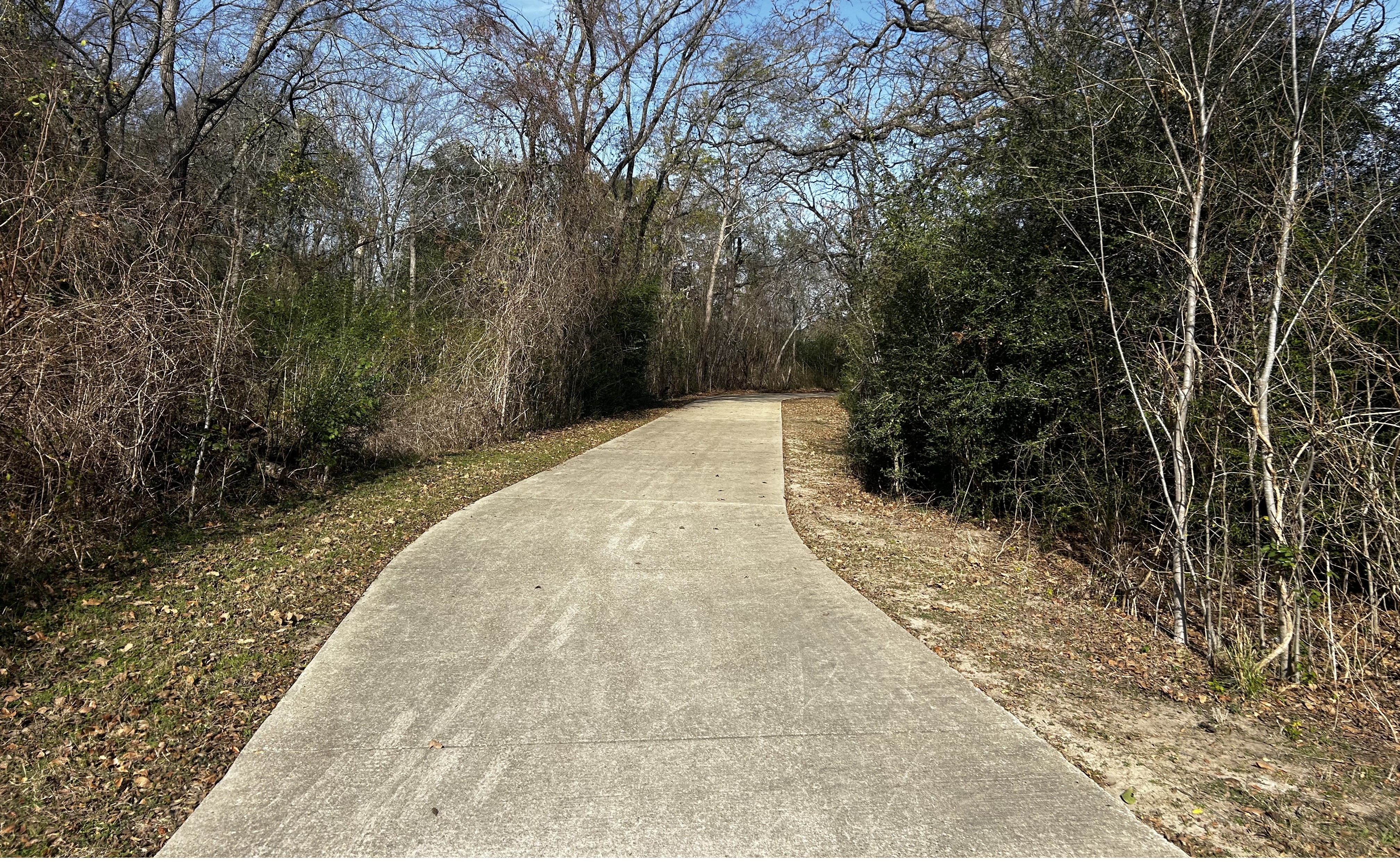


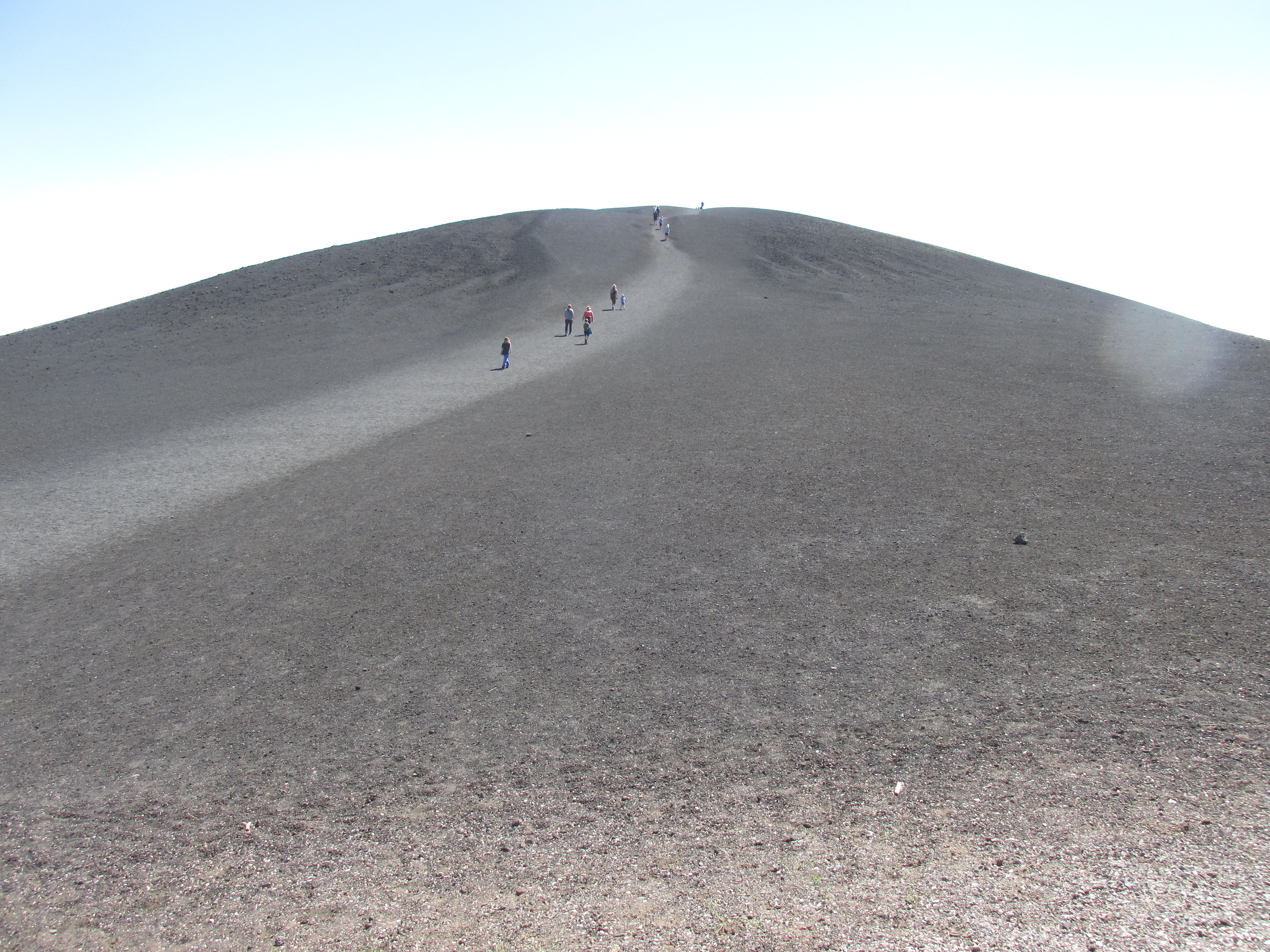

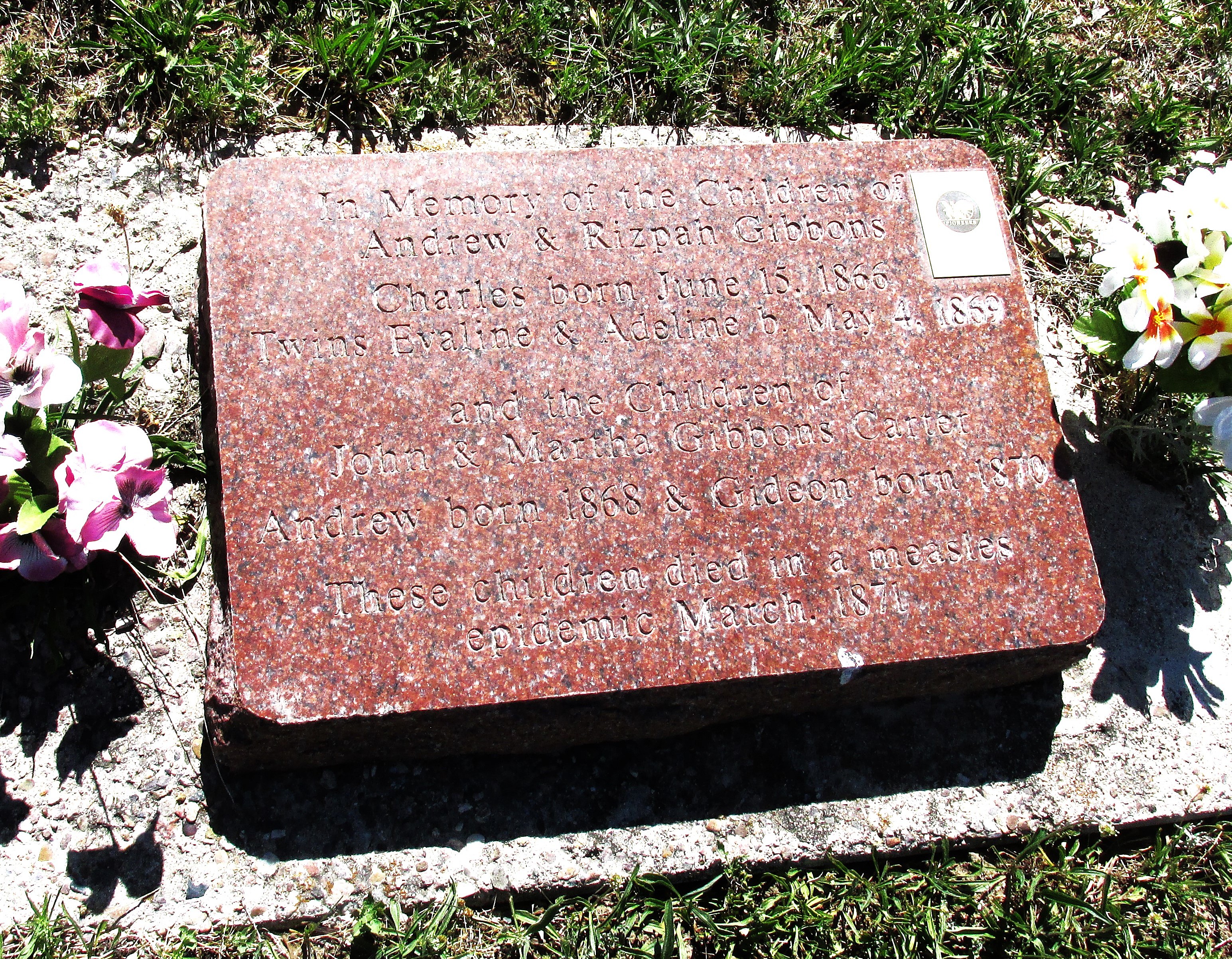
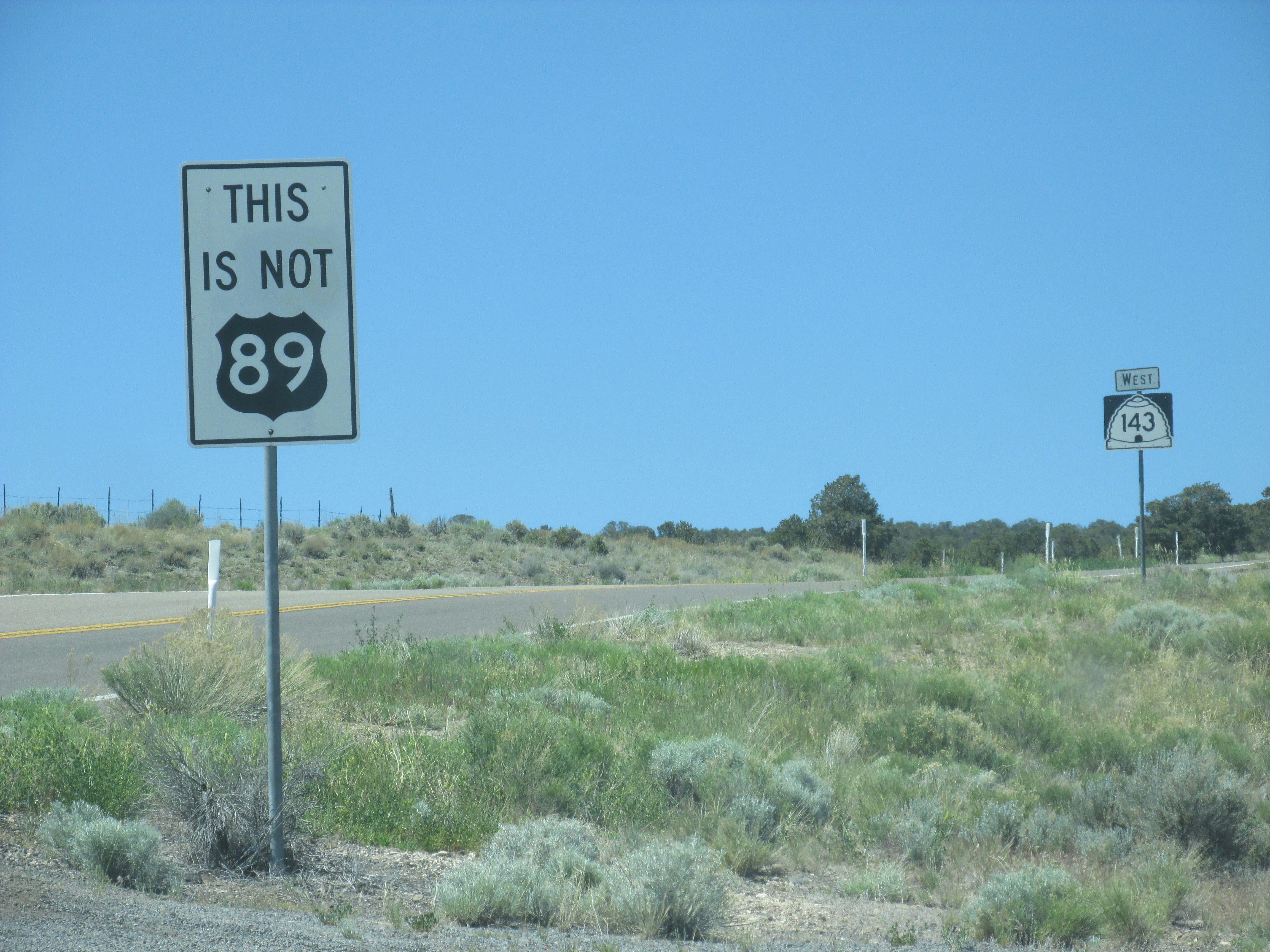
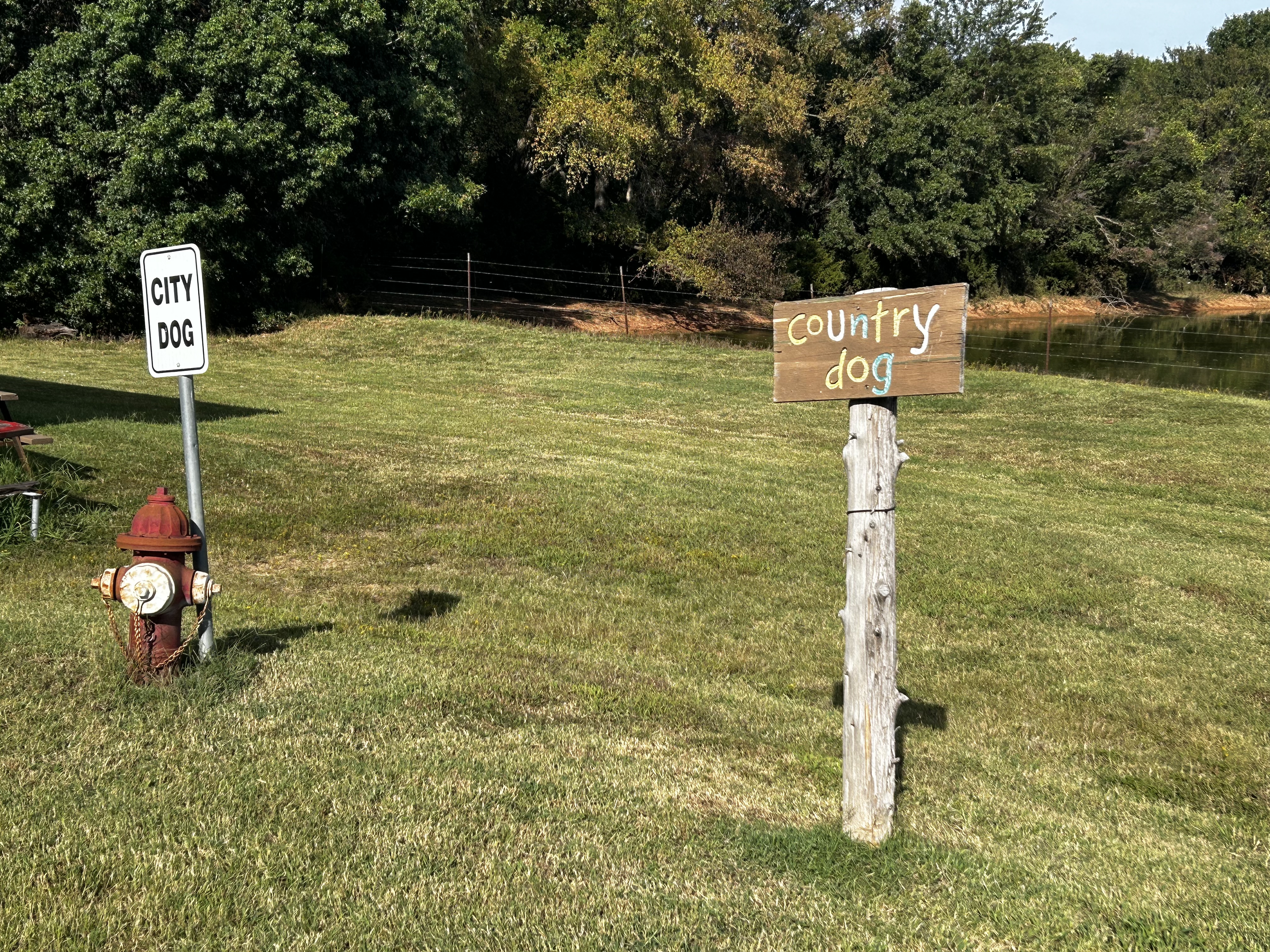

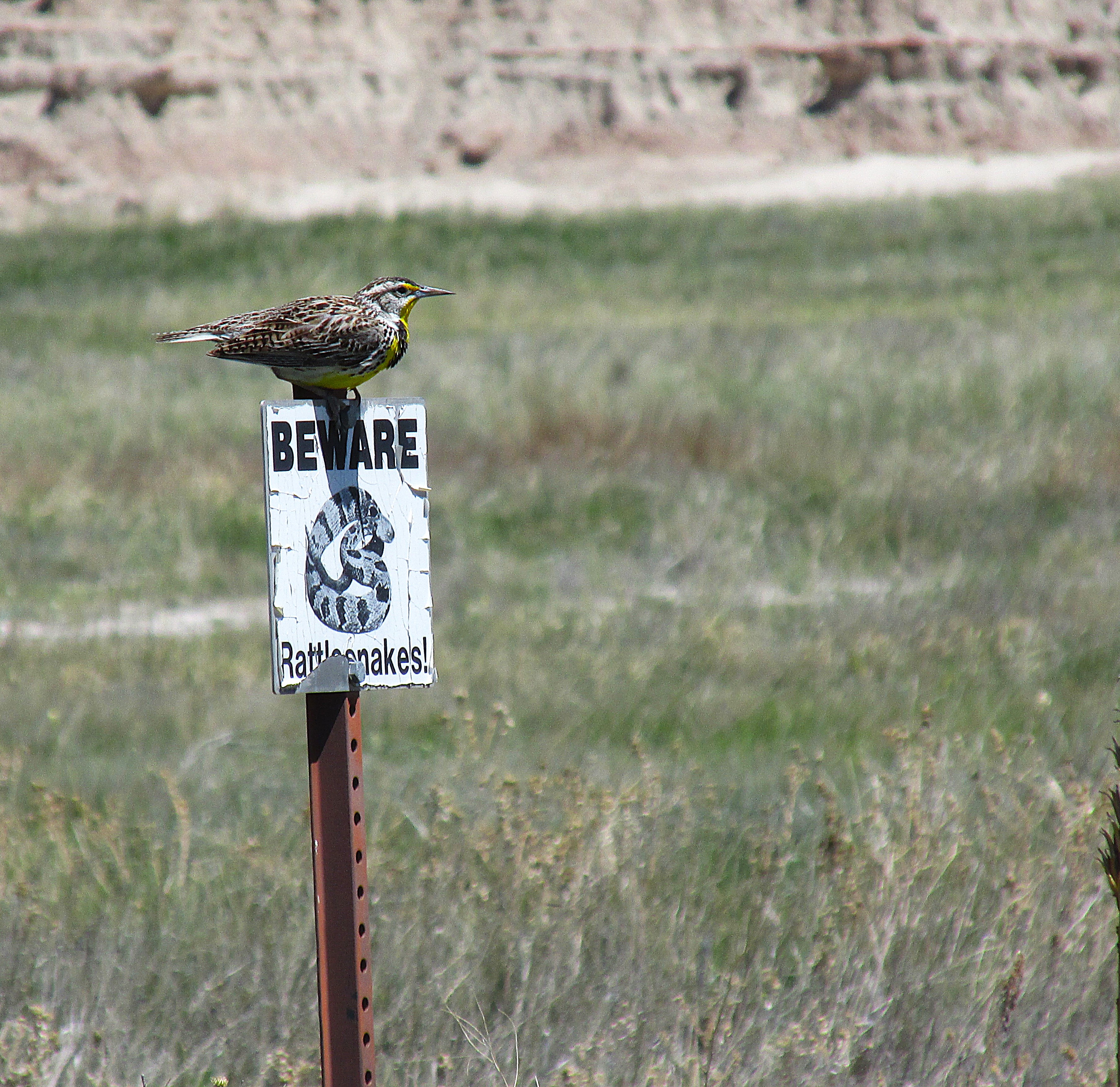

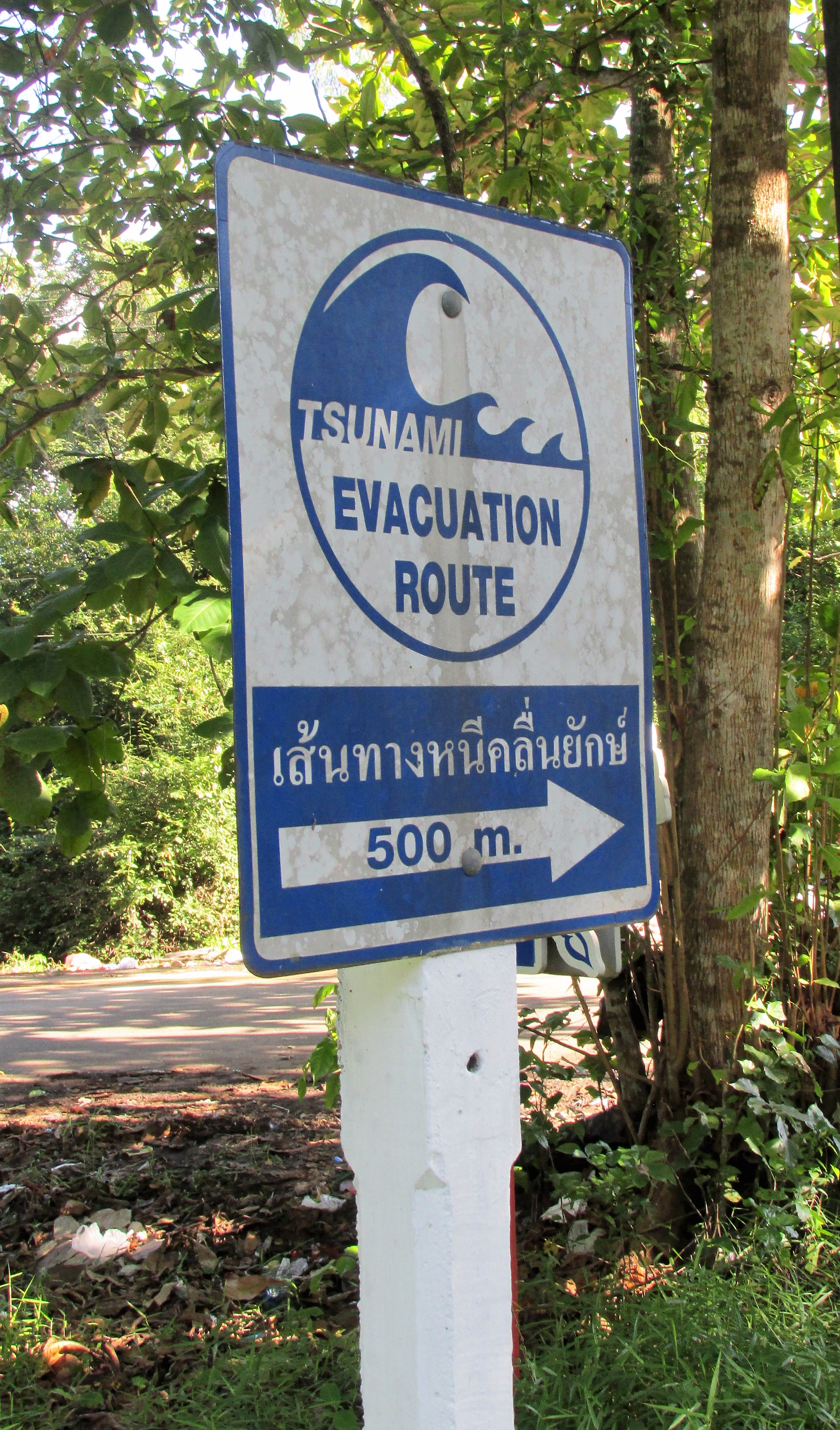

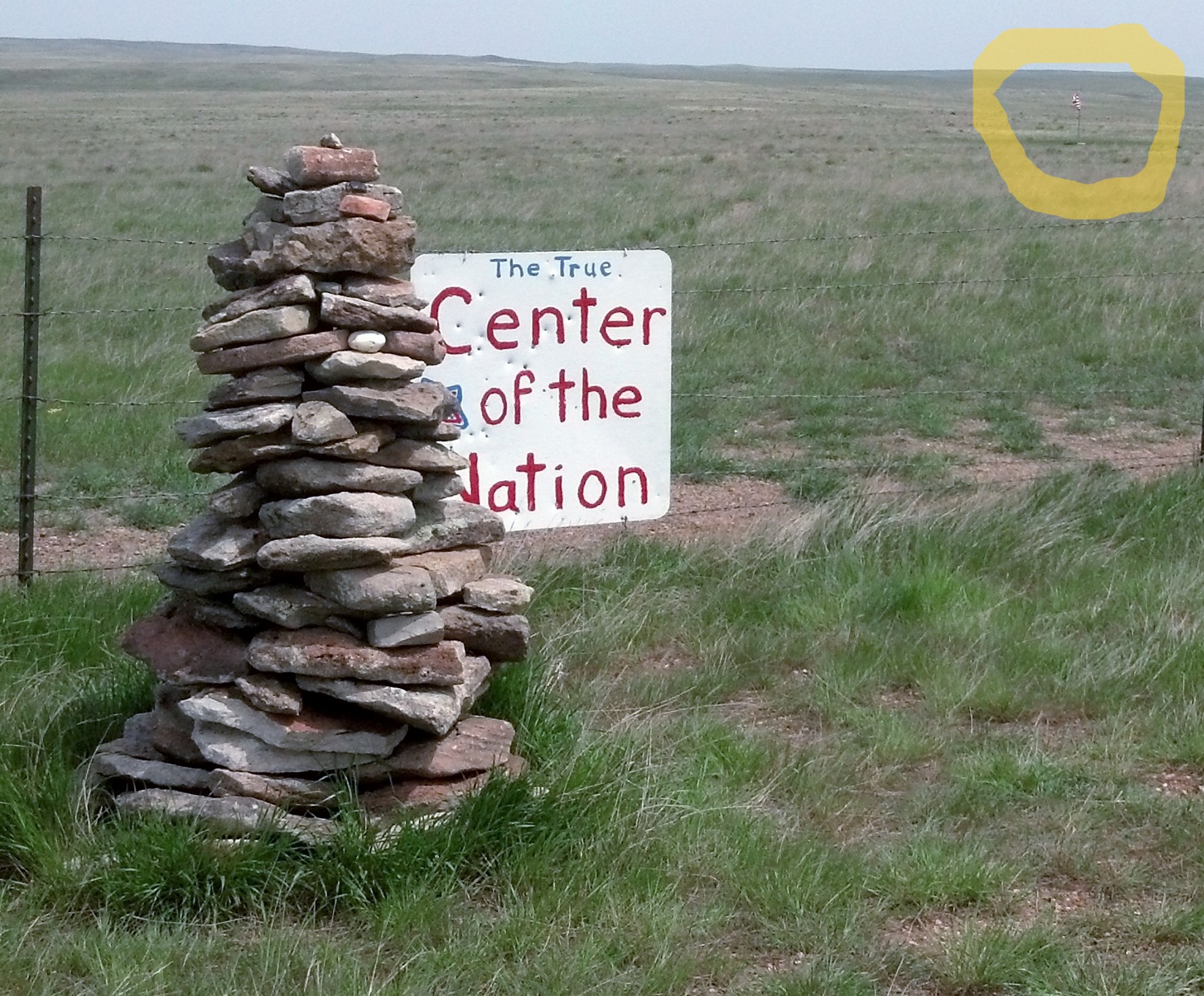





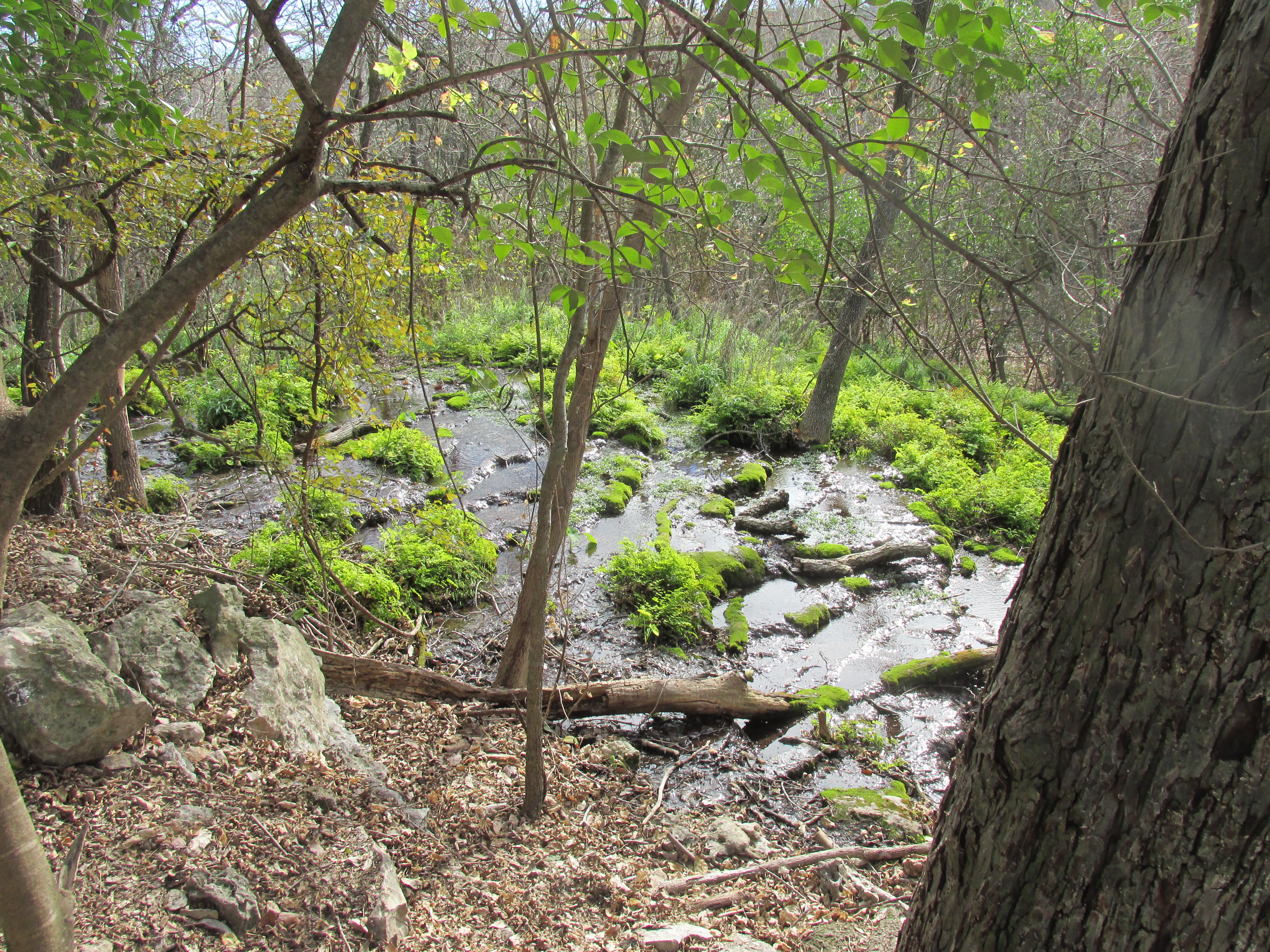





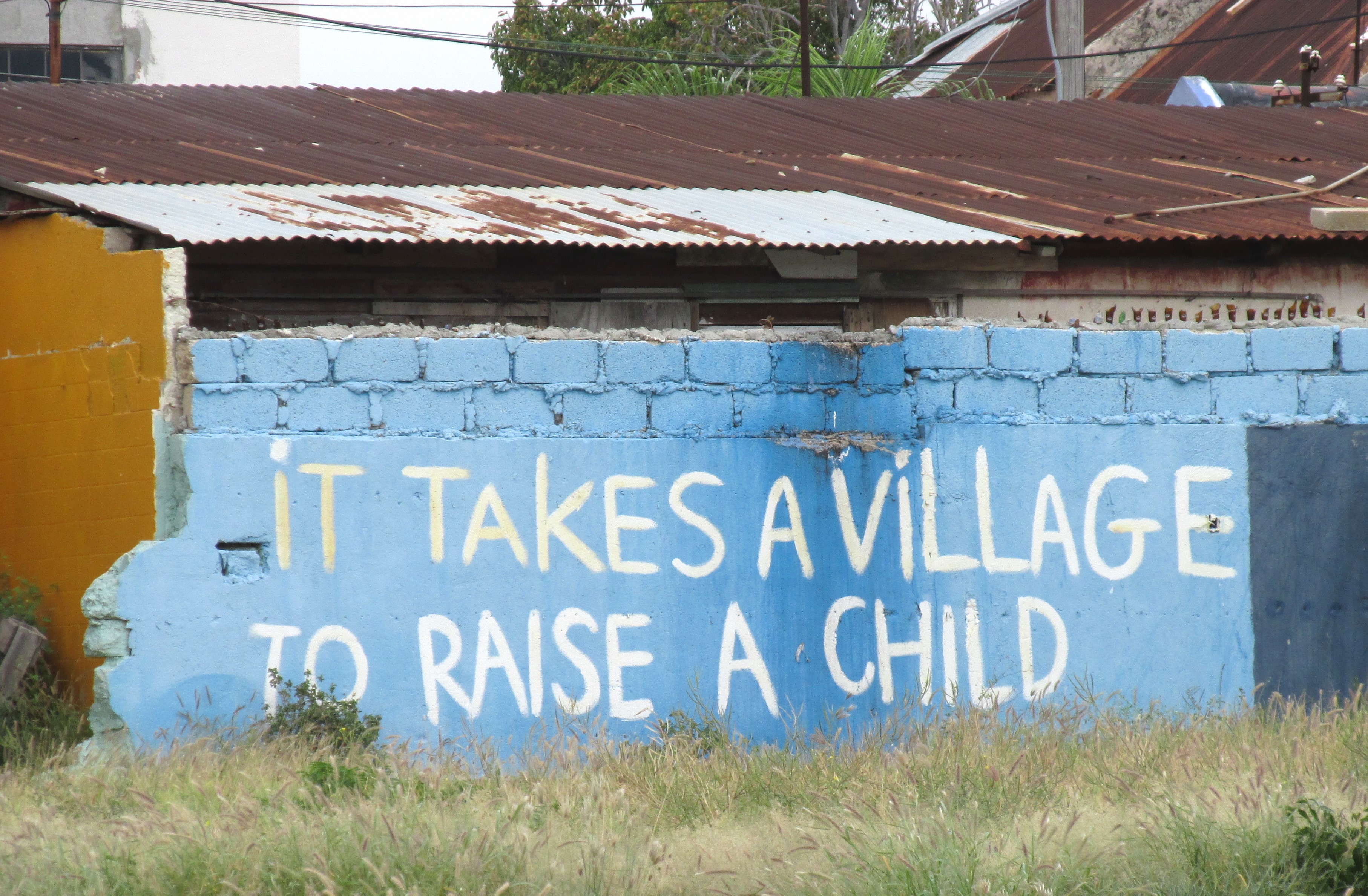



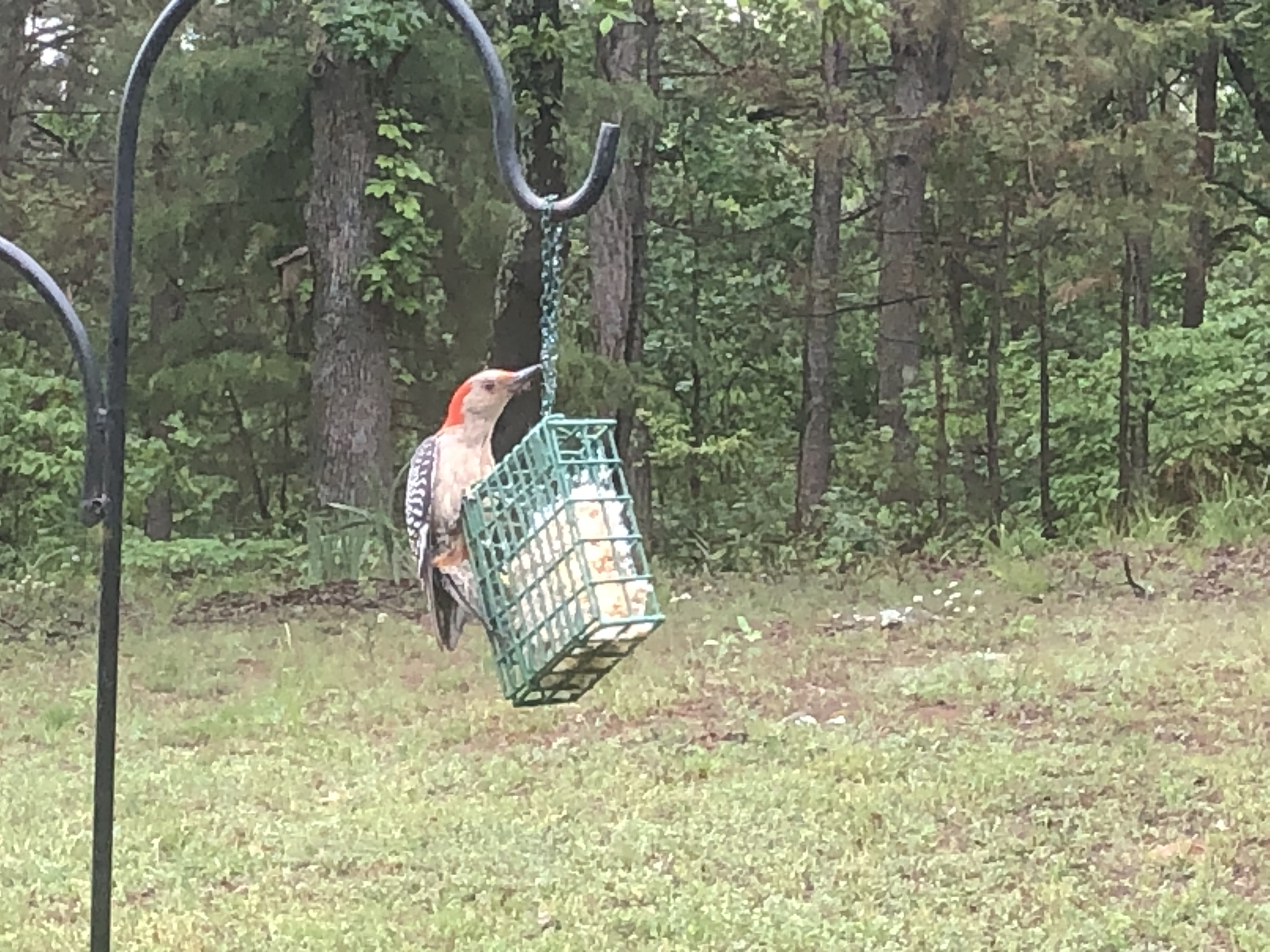


 Steve Martaindale